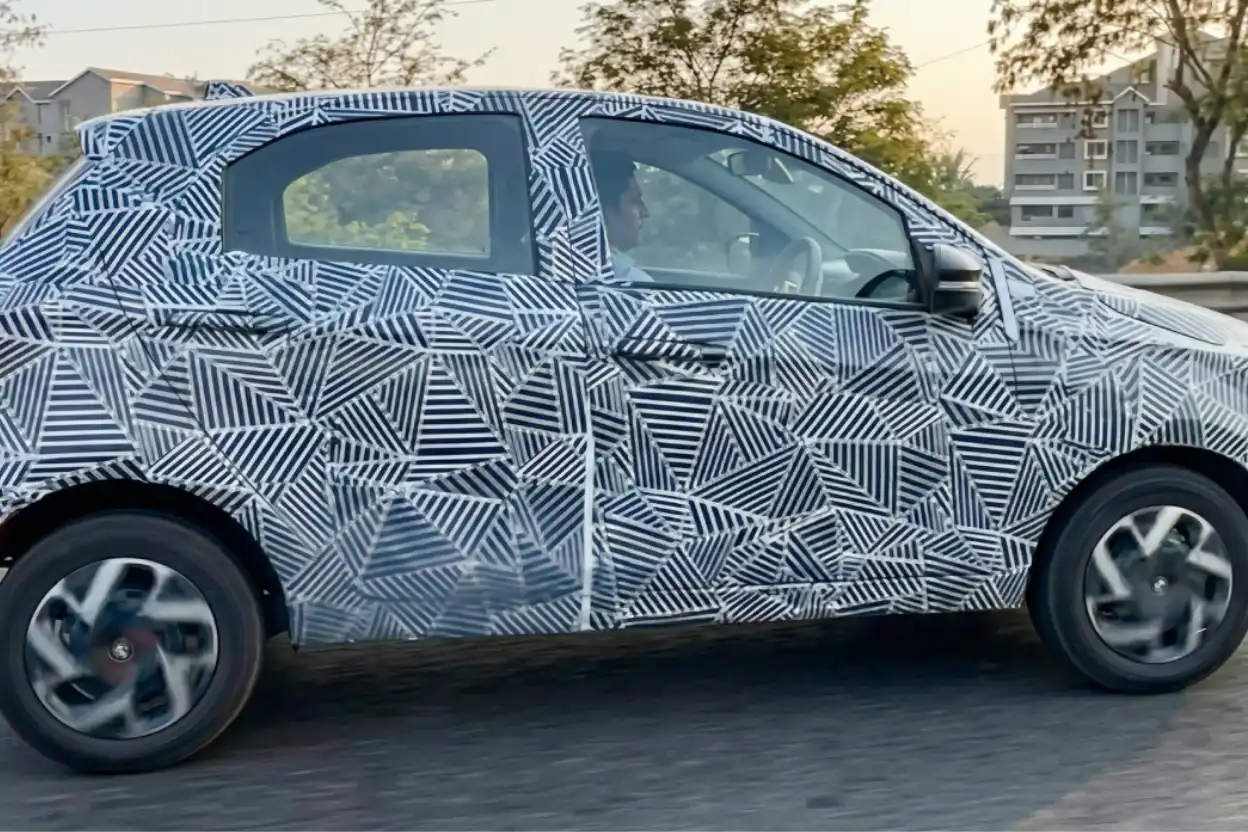
The Indian EV landscape is currently witnessing a fascinating, albeit slightly chaotic, transition. As per my knowledge, Tata Motors has been the undisputed leader in the budget electric segment, but the recent sightings of the 2026 Tata Tiago EV Facelift suggest the automaker is feeling the heat from its own stable—specifically the Punch EV—and the burgeoning competition from MG and Citroën.
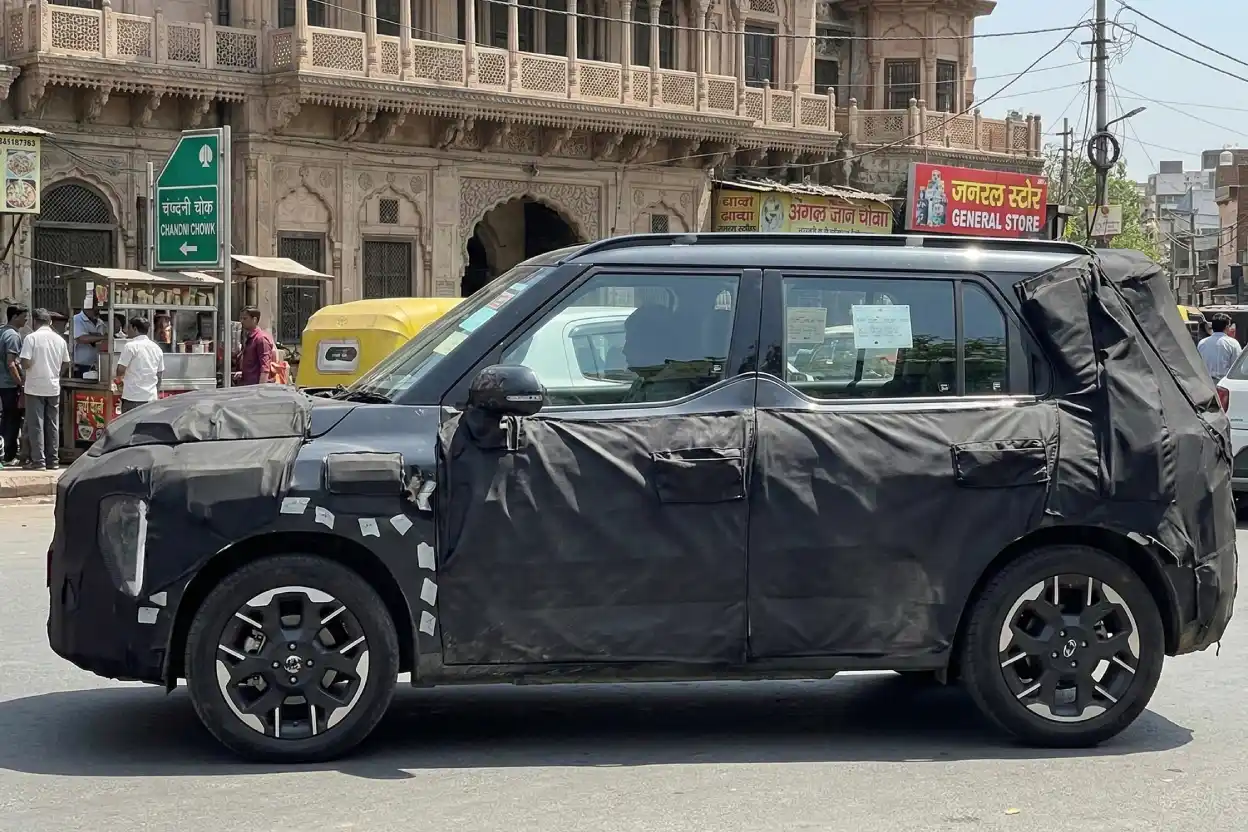
New spy shots have surfaced, and they reveal a much more aggressive “assertive attempt” at a mid-life refresh than I initially anticipated. This isn’t just a bumper swap; it feels like a calculated tactical maneuver to keep the aging hatchback relevant in a market that now demands “premium” even at the entry level.
The Visual Overhaul: More Than Skin Deep?
From my personal experience with the current Tiago EV, the design, while clean, has started to feel a bit “last generation” compared to the sleek Curvv or the updated Nexon. The test mules caught on the assembly line outskirts suggest a significant design overhaul.
-
Front Fascia: The nose section has been completely reshaped. We’re looking at revised LED lighting units and sleeker DRLs that mimic the “humanity line” seen on more expensive Tata marques.
-
The “Bulky” Mirrors: I noticed the wing mirrors look significantly more substantial. As per my opinion, this almost certainly points to the integration of 360-degree camera hardware. For a car this size, it might seem like overkill, but in the tight urban “stop-and-go” traffic of Indian metros, it’s a massive value-add for the safety-conscious buyer.
-
The Sunroof Factor: One of the most glaring observations from the spy shots is a raised section on the roofline. It looks like Tata is finally giving the people what they want: a factory-fitted electric sunroof. While I’m personally concerned about how this might affect the chassis rigidity and cabin cooling in 45°C summers, there’s no denying it’s a massive sales driver at the dealership level.
Mechanical Speculation: Solving the “Range Anxiety”
The most critical part of this update lies beneath the floorpan. Currently, the Tiago EV offers 19.2 kWh and 24 kWh battery packs. If you’ve driven these, you know the real-world range (approx. 160–200 km) is strictly for city commutes.
I would advise potential buyers to wait for this facelift because rumors from the R&D wings suggest the 30 kWh battery pack from the Punch EV is being adapted for the Tiago’s chassis. We are looking at a potential real-world range jumping to over 265 km. This move is a necessity; with the supply chain for cells stabilizing, there is no reason for Tata to hold back on density.
Comparison: Old vs. New (The Evolutionary Leap)
| Feature | Outgoing Tiago EV (Current) | 2026 Tiago EV Facelift (Predicted) |
| Battery Options | 19.2 kWh / 24 kWh | 24 kWh / 30 kWh |
| Real-World Range | ~168 km – 205 km | ~210 km – 270 km |
| Infotainment | 7-inch Harman Touchscreen | 10.25-inch Floating Screen |
| Camera Tech | Standard Reverse Camera | 360-degree Surround View |
| Interior Theme | Dual-tone Grey/Black | Premium Leatherette / Ventilated Seats |
| Steering | Traditional Circular | Twin-spoke Illuminated Logo |
The Segment Rivalry: Can the Tiago Hold Its Ground?
The entry-level EV segment is no longer a solo act. The Tiago EV now faces stiff competition from the MG Comet’s quirky urban appeal and the Citroën eC3’s superior suspension comfort.
| Model | Est. Price (Ex-showroom) | Battery Size | Key USP | My Critical Take |
| Tata Tiago EV (2026) | ₹8.5L – ₹12.5L | 30 kWh | Feature-rich & Safety | The “all-rounder” but feels heavy. |
| MG Comet EV | ₹7.0L – ₹9.5L | 17.3 kWh | Parking Ease/Tech | Strictly for two people; tiny wheels. |
| Citroën eC3 | ₹11.5L – ₹13.5L | 29.2 kWh | Ride Quality/Space | Lacks modern “gizmos” and LEDs. |
| Punch EV | ₹10.0L – ₹14.5L | 35 kWh | Ground Clearance | The biggest threat to Tiago’s sales. |
The Interior: A Much-Needed Tech Injection
Step inside the current model, and you’ll find a functional but “plasticky” cabin. As per my knowledge of Tata’s recent quality control (SPC) improvements, the 2026 facelift will likely borrow the digital instrument cluster and the two-spoke steering wheel from the Nexon.
I expect to see wireless smartphone charging and an expanded suite of connected car features. However, I am slightly concerned about the pricing. If Tata pushes the Tiago EV too far upmarket, it risks cannibalizing the Punch EV or, worse, pricing itself out of the reach of the middle-class buyer looking for a secondary city car.
Final Thoughts & Looking Ahead
The 2026 Tata Tiago EV facelift isn’t just a “tune-up.” It’s a survival tactic. With the Sierra EV and the high-end Avinya platforms slated for 2026, Tata needs to ensure its entry-level “bread and butter” model doesn’t look like a relic from the past.
The integration of a larger battery and more sophisticated electronics (like better regenerative braking calibration) will likely make it the most competent small car on the market. If they can manage to keep the base price under ₹9 Lakhs while offering the 30 kWh pack in the mid-spec trims, they will have another winner on their hands.