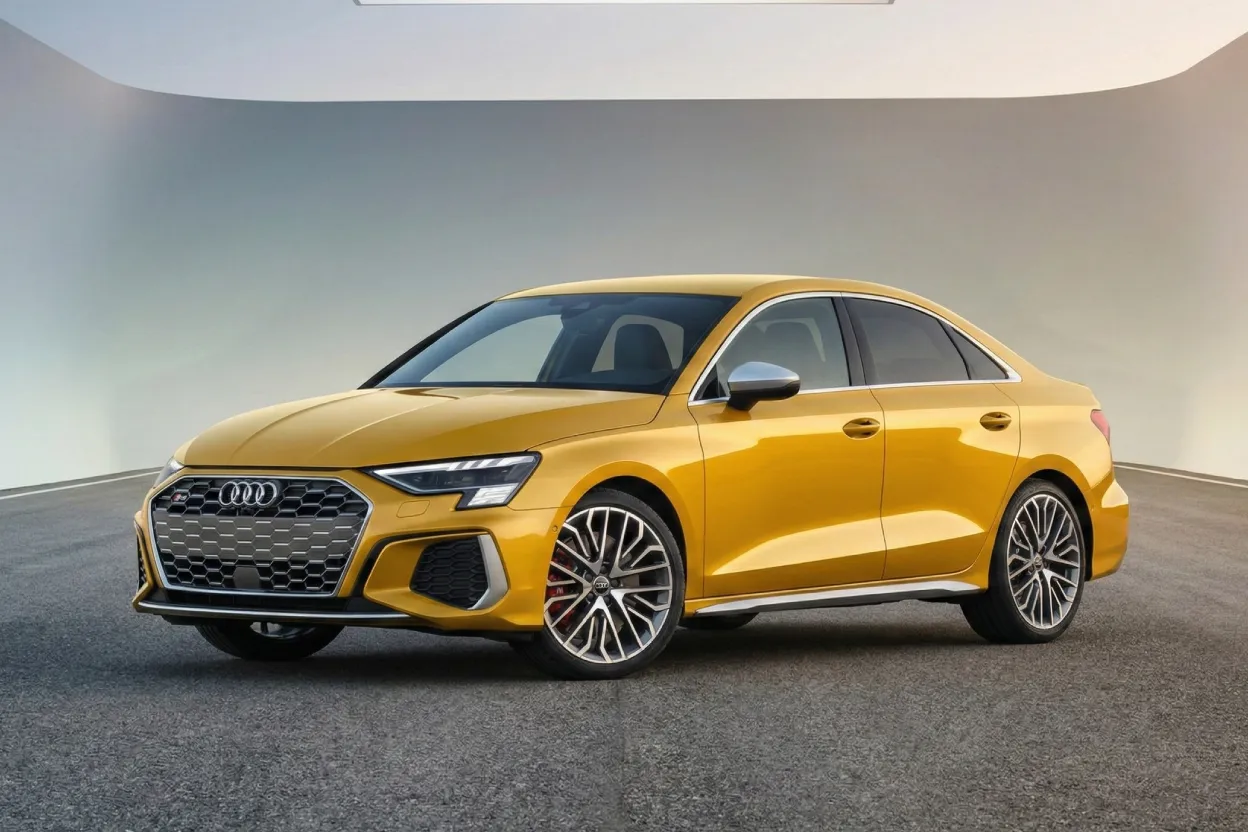
The Indian automotive narrative, for decades, was simple: Maruti Suzuki dictated the terms of entry. Yet, in the burgeoning Electric Vehicle (EV) space, the nation’s largest carmaker has been conspicuously absent, allowing rivals like Tata Motors to capture the massive first-mover advantage. This strategic silence officially ends with the confirmed launch of the Maruti Suzuki e Vitara in early 2026.
This is more than just a product introduction; it is Maruti’s comprehensive, ecosystem-first invasion of the mass-market EV segment. By leading with the e Vitara, a mid-size electric SUV built on a dedicated EV architecture, and backing it with an aggressive, proprietary charging network plan, the company is betting that readiness trumps timing. The e Vitara arrives with compelling specifications—dual battery options (49kWh and 61kWh), a segment-leading ARAI-rated range of up to 543km for the larger pack, a guaranteed 5-star BNCAP safety rating, and a premium feature checklist that includes Level 2 ADAS.
However, the late entry presents a profound Issue: Can even the colossal brand equity and service network of Maruti Suzuki successfully displace the entrenched EV market leaders, who have already captured the critical early adopter segment, or will the consumer’s long-term perception of electric mobility remain defined by the pioneers? Maruti must demonstrate a fundamental value advantage beyond its existing brand loyalty.
Maruti’s success hinges on a calculated, multi-pronged solution that leverages its historical strengths to dismantle the final barriers of EV ownership anxiety.
Neutralizing Range and Charging Anxiety at Scale
The primary deterrent for mass-market EV adoption remains the fear of being stranded—range anxiety compounded by charging unreliability. Maruti’s response is not merely a vehicle but a full ecosystem, acting as a decisive Solution to this trust deficit.
The company is deploying an unprecedented Infrastructure-First approach. By confirming over 2,000 fast-charging points across 1,100+ cities—and projecting an astounding network of over 1 lakh charging points by 2030 through partnerships with 13 CPOs—Maruti is attempting to create infrastructural inevitability. This is backed by 1,500+ EV-ready workshops and the promise of doorstep service, directly tackling the service and maintenance worries that plague early EV adopters.
The e Vitara’s technical specifications support this strategy: the 61kWh variant’s 543km ARAI range is a crucial psychological shield, minimizing the frequency of charging stops. Furthermore, the introduction of Battery-as-a-Service (BaaS) and subscription schemes directly addresses the largest financial hurdle: the long-term cost and potential depreciation of the battery pack. By allowing customers to rent the battery, Maruti significantly lowers the initial purchase price, making the switch to electric mobility economically feasible for its core demographic.
Critical/Concerned Angle: While the scale is impressive, the network’s effectiveness depends heavily on the seamless integration of Maruti’s ‘e For Me’ app across 13 different charging point operators. If the real-world charging experience—locating, paying, and connecting—is plagued by the unreliability that currently defines the public EV charging infrastructure, this massive investment risks becoming a source of consumer frustration rather than a guarantee of convenience.
Competitive Showdown: e Vitara vs. The Mid-Size EV Kings
The e Vitara enters a fiercely contested arena, directly challenging the segment leaders and the newest entrants. Its unique selling propositions—its dominant range and guaranteed safety rating—will be crucial against rivals with established market presence.
| Feature | Maruti Suzuki e Vitara (61kWh) | Tata Curvv EV (Expected 55kWh) | Hyundai Creta Electric (51.4kWh) | MG ZS EV (50.3kWh) |
| Expected Price Range (Ex-Showroom) | ₹17.00 – ₹22.50 Lakh | ₹17.49 – ₹22.24 Lakh | ₹18.02 – ₹24.55 Lakh | ₹17.99 – ₹20.50 Lakh |
| Battery Pack (Largest Option) | 61 kWh (Segment Leader) | 55 kWh | 51.4 kWh | 50.3 kWh |
| Max Claimed Range (ARAI/MIDC) | 543 km | 502 km | 473 – 510 km | 461 km |
| Safety Rating | 5-Star BNCAP | 5-Star (Expected) | ADAS Suite | 5-Star (Euro NCAP) |
| Powertrain Layout | FWD (AWD expected later) | FWD | FWD | FWD |
| Unique Differentiator | Highest Range, BaaS/Subscription, 7 Airbags Standard | Coupe styling, Proven Ziptron tech | Dual Screens, ADAS suite | Established brand in Indian EV space |
Knowledgeable/Predictive Angle: The e Vitara uses its dedicated architecture to its advantage, resulting in the largest battery and highest range figure among direct rivals. Its 5-star BNCAP rating is a monumental early achievement, immediately positioning it as a safer choice than rivals whose ratings are either older (Euro NCAP) or pending. However, the FWD-only configuration at launch (for the large-range variant) contrasts with the expected AWD option in its own lineup and the strong torque of some rivals like the ZS EV.
Re-establishing Trust through Service and Financial De-risking
The long-term success of an EV is defined by the cost and convenience of its maintenance, which is an area where early rivals have struggled to scale effectively. Maruti’s final and most potent Solution draws directly from its decades-long dominance: Trustworthiness (T) rooted in its unparalleled dealership and service footprint.
Maruti’s network—comprising thousands of workshops and trained personnel across the country—is its ultimate competitive moat. This widespread presence ensures that the cost and complexity associated with high-voltage battery maintenance are significantly minimized. By guaranteeing service support even at remote locations and offering doorstep service, Maruti is addressing the Experience (E) aspect of ownership—making the EV journey hassle-free and predictable, just as it did with its petrol vehicles over the last 40 years.
Analytical Angle: Maruti’s commitment to localizing EV components (like battery electrodes in Gujarat) not only supports the ‘Make in India’ narrative but ensures supply chain resilience. This local manufacturing focus will lead to greater control over component costs, guaranteeing better long-term reliability and more competitive pricing on spare parts and service—a huge advantage rivals relying heavily on imported components will find difficult to match.
The Final Challenge of the Tipping Point
The launch of the Maruti Suzuki e Vitara is poised to be the most significant EV event of early 2026. By tackling the core anxieties of the mass market—range, charging, and long-term costs—with the three-pronged strategy of infrastructural saturation, feature standardization, and financial de-risking (BaaS), Maruti is attempting to force the tipping point for India’s mass EV adoption.
For rivals like Tata and Hyundai, the e Vitara’s aggressive packaging and segment-leading range mandates an immediate response, likely forcing them to refresh their models faster, increase their own charging commitments, and perhaps adopt similar subscription models.
However, the final, persistent challenge remains the price-versus-perception equation. The estimated ₹17-22 lakh price positions the e Vitara firmly above Maruti’s traditional comfort zone. The company must successfully convince its loyal, traditionally price-sensitive customer base that the superior safety (5-star BNCAP), segment-leading range, and unparalleled support ecosystem genuinely justify the premium. If the market is ready to equate the Maruti badge with premium electric competence, the e Vitara will redefine the segment; if not, it will be an expensive lesson in the limits of brand loyalty.