As someone who has followed the Indian automotive trajectory for over a decade, I’ve seen many ambitious entries, but few carry the weight of Sajjan Jindal’s JSW Group. However, the latest buzz from the assembly line suggests that the much-anticipated debut of JSW Motors might be stuck in a bureaucratic traffic jam.
As per my knowledge, the automaker is grappling with the stringent quality control (SPC) and approval processes regarding components sourced from China. While the $3 billion investment in Maharashtra sounds like an assertive attempt to disrupt the EV and hybrid market, the reality of the global supply chain is currently throwing a wrench into the works.
The China Conundrum: My Personal Experience with Sourcing
In my personal experience covering the manufacturing sector, the “China + 1” strategy is easier discussed in a boardroom than executed in a body shop. JSW is reportedly seeking expedited clearances for critical components like safety glass, windshields, and sunroofs.
It’s a classic R&D vs. Regulation standoff. India’s Department for Promotion of Industry and Internal Trade (DPIIT) has tightened the screws since 2020 to curb low-quality imports. While I applaud the focus on safety and domestic quality control, the lack of immediate local alternatives for specialized chassis parts or high-end glass creates a massive bottleneck. As per my opinion, forcing a brand-new marque to wait months for a certificate on a sunroof is a calculated tactical maneuver by the state to force localization, but it risks stalling innovation.
The “Old Guard” vs. The New Challenger
To understand the gravity of JSW’s situation, we have to look at how previous “heavy industry” giants entered the automotive space. Let’s compare the JSW approach with the early days of Mahindra’s transition into modern passenger vehicles (specifically the Scorpio era).
| Feature | Mahindra (Early 2000s Transition) | JSW Motors (2025/26 Strategy) |
| Primary Tech Source | In-house R&D / Western Consultants | Potential Chery (China) / MG Partnership |
| Supply Chain | Heavily Localized (Lower Tech) | Global Import-Dependent (High Tech) |
| Powertrain Focus | Diesel/ICE Engine | Hybrid & Electric |
| Market Entry | Slow, iterative prototypes | Massive $3B “Big Bang” launch |
| Regulatory Hurdle | Emission norms (BS-II/III) | Import certifications & Quality Control |
In my view, Mahindra had it easier because the components were simpler. JSW is trying to build a spaceship while the parts are still sitting in a shipping container in Shanghai.
Comparison: JSW’s Proposed SUV vs. The Segment Leaders
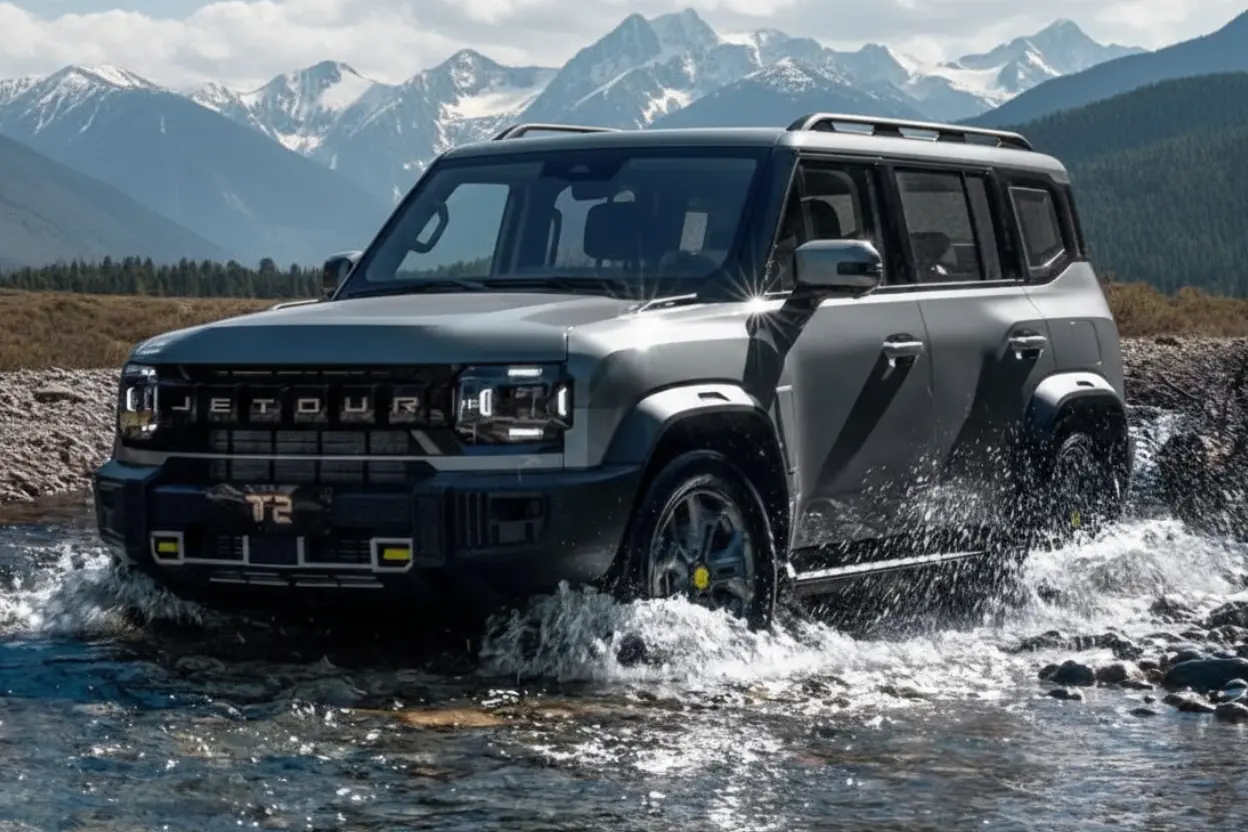
Based on industry whispers, JSW’s first model is likely to target the premium mid-size SUV segment, focusing on tech-heavy interiors. If they can’t get their financing and dealership networks ready because the prototype is missing a windshield, they’ll lose ground to the undisputed leaders.
| Metric | JSW Motors (Proposed EV/Hybrid) | MG ZS EV (Strategic Partner) | Tata Nexon.ev (Market Leader) |
| Drivetrain | Electric / Hybrid | Pure Electric | Pure Electric |
| Suspension | Multi-link (Anticipated) | MacPherson Strut | Independent MacPherson |
| Key Tech | Panoramic Sunroof / ADAS | i-Smart Tech | Arcade.ev Platform |
| Sourcing | China (Pending Approval) | Global/Local Mix | High Localization |
| Launch Status | Potential Delay | Available | Available |
The Vietnam/Germany Pivot: A Costly Detour?
I would advise JSW to be wary of their “Plan B.” Reports suggest they are looking at Germany or Vietnam for sourcing. While German engineering for transmission or braking systems is world-class, it comes with a “luxury” price tag. If JSW switches sources now, the financing and leasing models for the end consumer will inevitably see a price hike. You can’t swap a Chinese-priced catalytic converter or axle for a European one without hurting your margins.
My Critique: The Risk of a “Soft Launch”
As per my knowledge of marketing and sales, a delayed launch is a momentum killer. JSW is already in a complex dance with SAIC (MG Motor India). If their independent marque takes too long to hit the repair shops and showrooms, the consumer might just perceive them as a “rebadged” entity rather than a fresh Indian powerhouse.
The automaker needs to prove that its chassis and body shop capabilities are ready for the Indian terrain. Relying on imports for safety glass—a relatively basic component compared to a battery management system—indicates that our domestic supply chain still has massive gaps.
Final Thoughts and Advice
I would advise the Ministry to find a middle ground. While we must maintain safety standards, the “Make in India” dream shouldn’t become a “Wait in India” nightmare for investors putting $3 billion on the table. JSW, on the other hand, should have seen these quality control hurdles coming. Every carburetor or fuel injector specialist knows that Indian customs is a formidable opponent.
In my opinion, we might see a “soft launch” with limited units toward the end of the year, provided the axle and wheels finally get the green light. If not, the acceleration of India’s EV revolution might just hit a red light.