India’s car market has been gripped by a decade-long SUV obsession. From “micro” to “compact,” high-riding vehicles are everywhere. Yet, the 2026 Hyundai Verna isn’t just surviving—it’s mounting a sophisticated counter-offensive. Based on my personal experience at the dealership, this sedan is designed to win back drivers who value a low center of gravity and cutting-edge R&D.
Design Evolution: From “Fluidic” to Aggressive Futurism
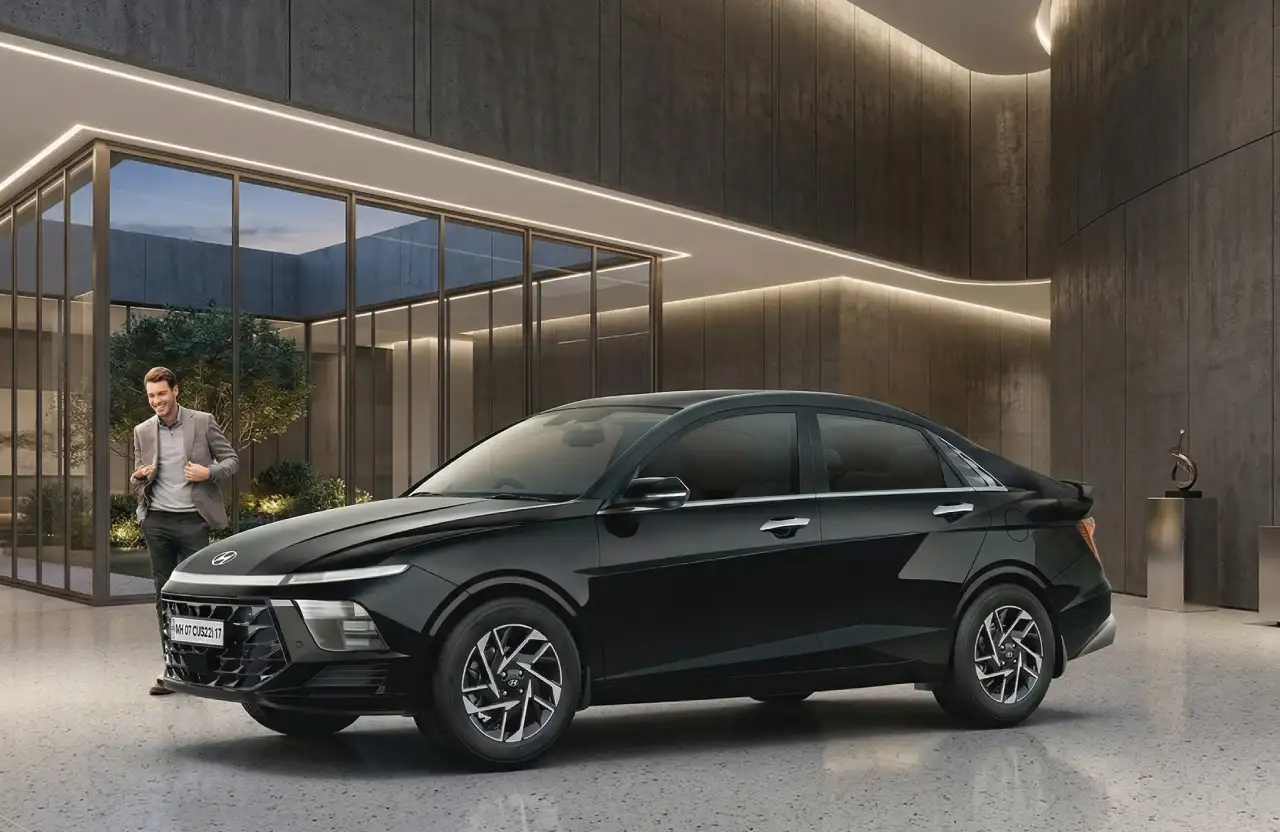
The transition is jarring. Gone are the soft, flowing lines of the 2011 “Fluidic” model. In its place is a chassis wrapped in aggressive, sci-fi-inspired sheet metal.
The Face: A black chrome radiator grille flanked by dual LED projector headlamps.
The Stance: At 4,565 mm long with a 2,670 mm wheelbase, it has a commanding presence.
The Finish: I would advise checking out the Titan Grey Matte. It looks like a high-end body shop custom job without the aftermarket price tag.
Generation Gap: 2018 vs. 2026 Comparison
As per my knowledge, the 2018 Verna often felt cramped for rear passengers. The 2026 iteration addresses this with a significant increase in manufacturing dimensions.
| Feature | 2018 Verna (Older Gen) | 2026 Verna (Current) |
| Width | 1,729 mm | 1,765 mm |
| Wheelbase | 2,600 mm | 2,670 mm |
| Infotainment | 7-inch touchscreen | Dual 10.25-inch screens |
| Safety | 6 Airbags (Top Trim) | 7 Airbags + Level 2 ADAS |
| Gearbox | 6-speed AT | 7-speed DCT |
The Verdict: For a family of five, the extra 36 mm of width is a “calculated tactical maneuver” that makes the cabin significantly more livable.
The Cockpit: High-Tech Urban Utility
The interior feels more like a prototype for a luxury marque than a midsize sedan. Two 10.25-inch displays dominate the dash, using a switchable interface that reduces clutter during heavy city braking and traffic.
Electric Walk-in Device: A rare luxury feature that moves the front passenger seat forward to ease rear access.
Bose 8-Speaker System: Undisputed leader in audio quality for this segment.
Climate Control: Ventilated and heated seats are essential for India’s diverse weather, from humid coastal regions to chilly northern winters.
Performance: Powering the Drive
Under the bonnet, the Verna offers two distinct engine philosophies:
1.5L MPi (Naturally Aspirated): Paired with an IVT, this is your smooth, fuel-efficient commuter pick for the daily gas station run.
1.5L Turbo GDi: This is where the acceleration happens. With 160 PS and 253 Nm, it is the most powerful automotive heart in its class. The 7-speed DCT ensures shifts are crisp and clean.
Segment Comparison: Verna vs. The Rivals
How does it stack up against the other major players in the sales/service network?
| Car Model | Power (Turbo) | Safety Tech | Boot Space |
| 2026 Hyundai Verna | 160 PS | Level 2 ADAS (20 features) | 528 L |
| Honda City (Hybrid) | 126 PS | Honda Sensing | 510 L |
| VW Virtus | 150 PS | Basic electronic aids | 521 L |
Critical Observations & Final Take
As per my opinion, it isn’t perfect. Ground clearance remains a concern; with a full load of five adults, those steep rural speed breakers will make you wince. Additionally, there is still no hybrid powertrain to challenge the Honda City’s niche.
Conclusion: The sedan isn’t dead—it just got a lot more interesting. Once you get used to the Level 2 ADAS (especially the blind spot monitor), going back to a basic car feels like a downgrade. If you are looking for a financing or leasing option that offers SUV-level features in a sleeker package, the 2026 Verna is the one to beat.