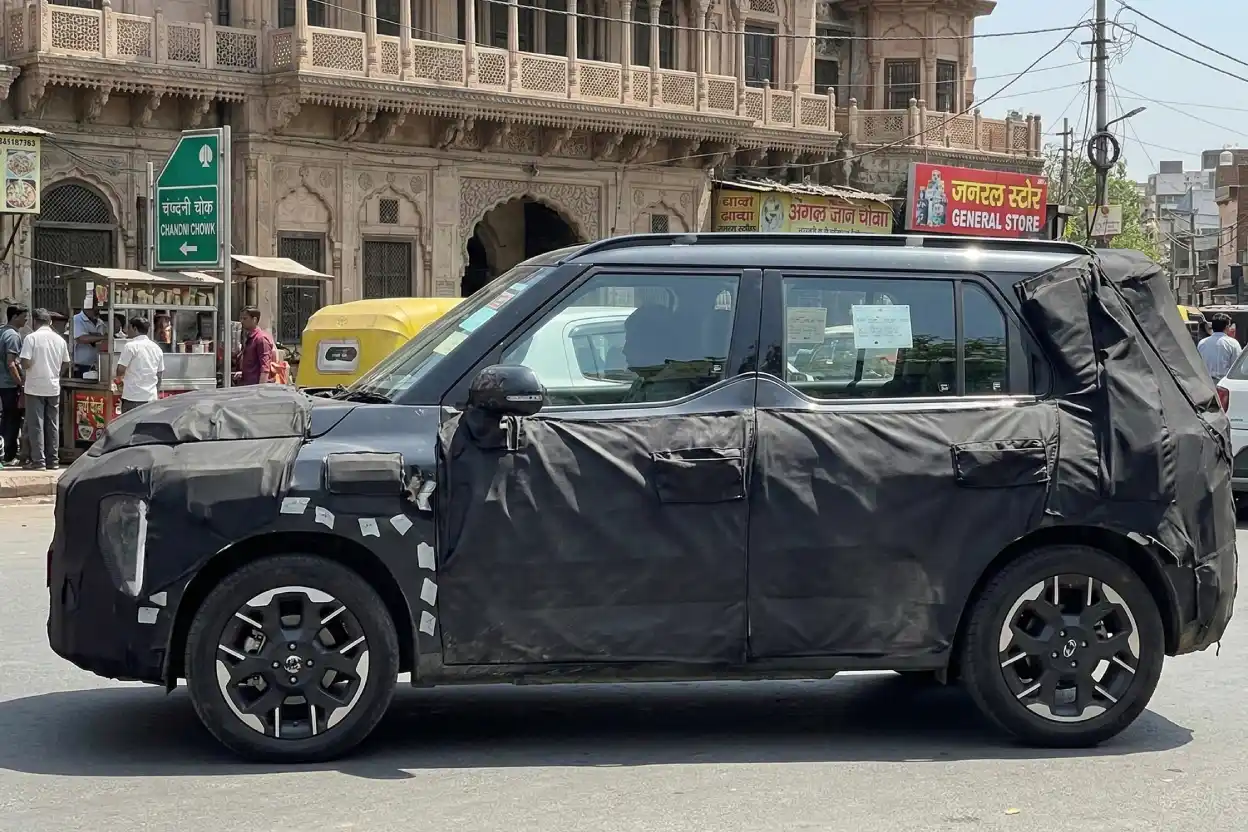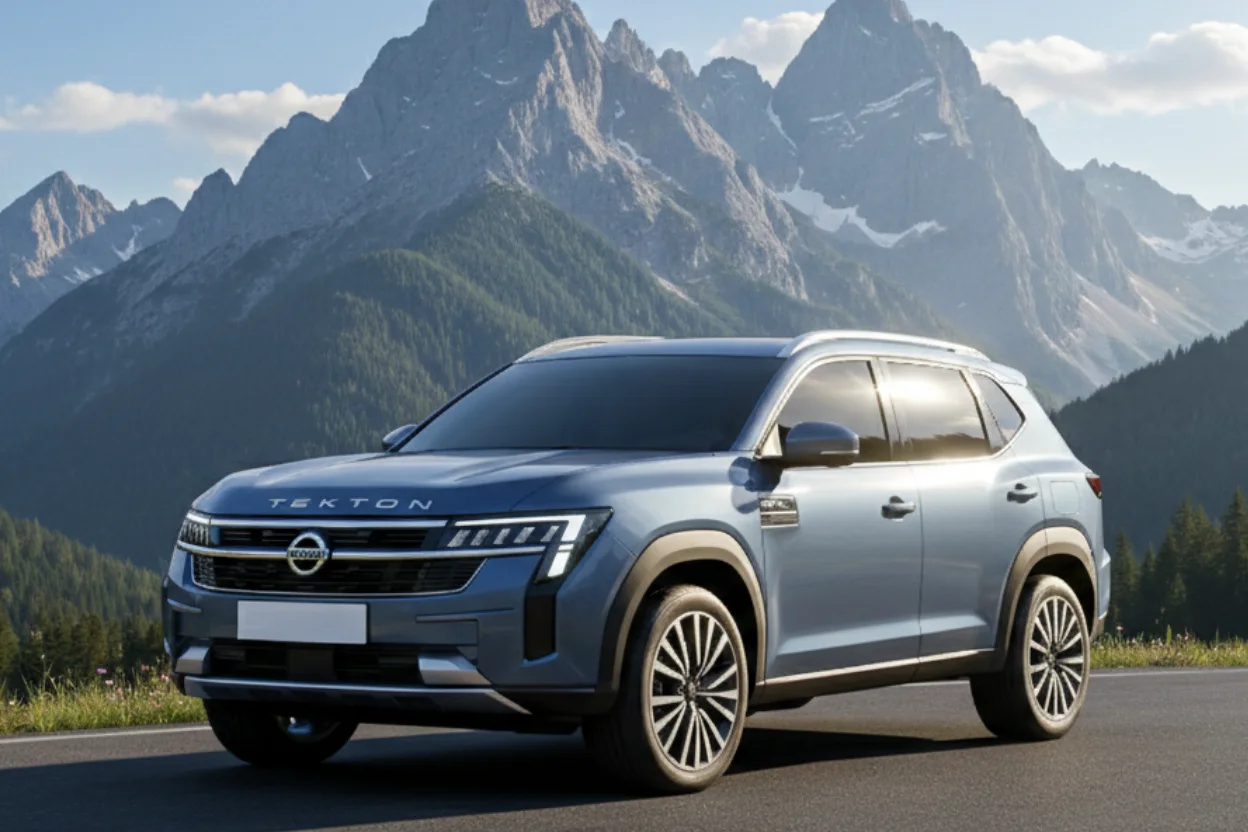
The Indian automotive landscape is currently a battlefield of high-riding silhouettes and “connected” badges, and as per my knowledge, Nissan is about to throw its most assertive attempt yet into the ring. We’ve been hearing whispers about the Nissan Tekton for months, and while the initial brand showcase didn’t happen as rumored this past month, the anticipation on the assembly line remains palpable.
From my personal experience covering this marque, Nissan has often oscillated between brilliance (the R35 GT-R or the initial launch of the Magnite) and puzzling stagnation. The Tekton, however, feels different. It isn’t just another model; it is a marque-defining moment aimed straight at the heart of the midsize SUV segment—a space currently under the undisputed leadership of the Hyundai Creta and Kia Seltos.
The Evolution: Bridging the Gap from the Terrano Era
To understand where we are going, we have to look at where we started. Many of you will remember the Nissan Terrano, which was essentially a “suit and tie” version of the first-gen Renault Duster.
| Feature | Old Guard: Nissan Terrano (Discontinued) | The New Blood: Nissan Tekton (Upcoming) |
| Platform | Dacia B0 Platform (Rugged but dated) | CMF-B Architecture (Modern, Global, Rigid) |
| Powertrain | Gritty 1.5L K9K Diesel / 1.6L Petrol | 1.0L Turbo / 1.3L Turbo / 1.8L Strong Hybrid |
| Transmission | 5/6-Speed Manual or basic AMT | 6-Speed MT / Advanced Dual-Clutch (DCT) / Multi-mode Hybrid |
| Safety | Dual Airbags (Top Trim), ABS | 6 Airbags (Standard), Level 2 ADAS, 360-degree Camera |
| Tech | Basic 7-inch Touchscreen (Later models) | Dual 10-inch+ Screens with Integrated Google Services |
In my opinion, the Terrano was a missed opportunity—it had the mechanical soul but lacked the interior finesse Indian buyers crave. The Tekton seems to be Nissan’s way of saying, “We learned our lesson.” By leveraging the CMF-B chassis, the automaker is ensuring that the suspension geometry and ride quality are world-class, moving away from the utilitarian roots of its predecessor.
Mechanical Soul: Under the Hood of the Tekton
As per my knowledge of the global alliance’s R&D, the Tekton will mirror the multi-powertrain strategy of the upcoming Renault Duster. We are looking at three distinct flavors of performance:
-
The Commuter: A 1.0-litre three-cylinder turbo petrol. Expect roughly 100 bhp. While some might find this “underpowered” for a midsize SUV, I would advise looking at the torque curve (160 Nm); it’s designed for the stop-and-go crawl of cities like Mumbai or Bangalore.
-
The Enthusiast’s Choice: A 1.3-litre turbo unit churning out a beefy 163 bhp and 280 Nm. This is where the acceleration will truly shine, likely paired with a smooth-shifting dual-clutch transmission.
-
The Tech-Forward Hybrid: This is the “Strong Hybrid” variant. It pairs a 1.8-litre petrol engine with dual electric motors. In a country where petrol prices are a constant source of anxiety, this 160 bhp setup is Nissan’s silver bullet against the Maruti Suzuki Grand Vitara.
Aesthetics and “The Patrol” Influence
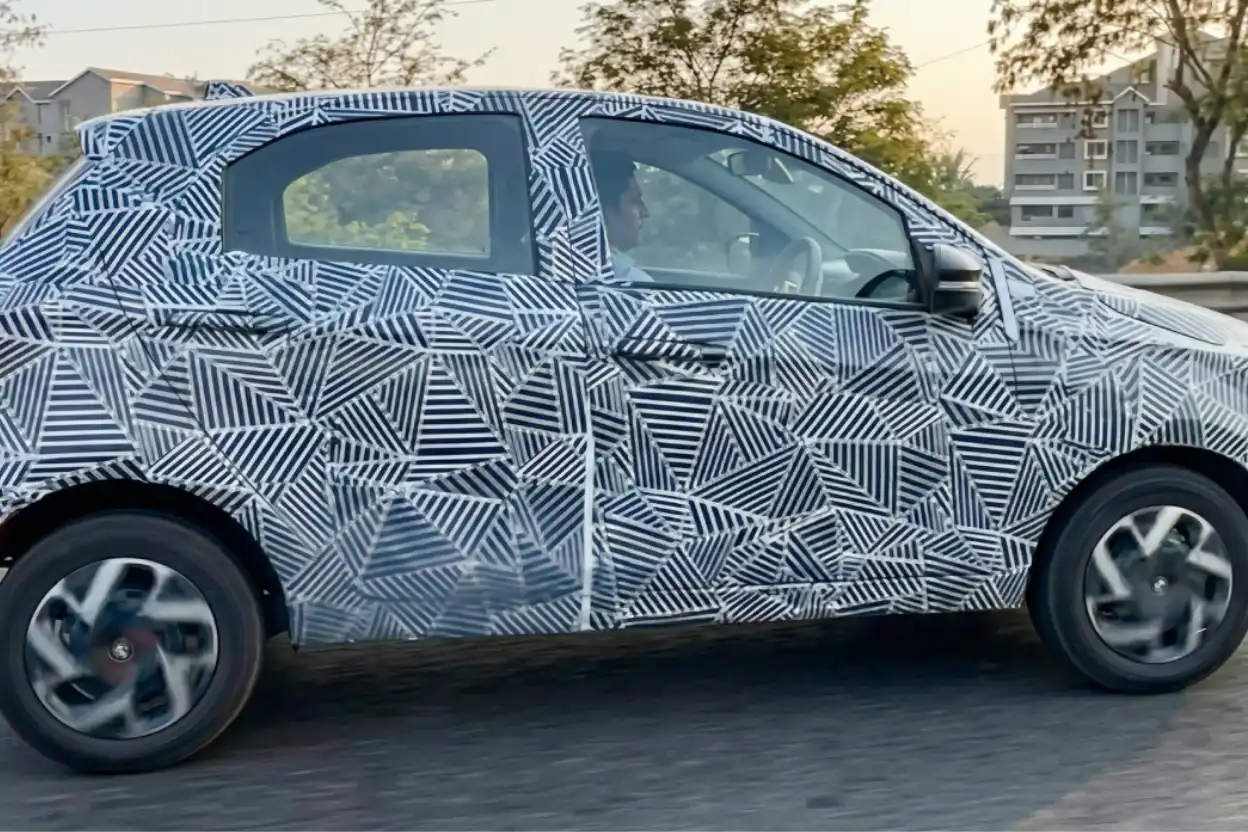
From the leaked prototypes and spy shots, it’s clear the Tekton is ditching the soft curves for a more “muscular stance.” I noticed a lot of design DNA trickling down from the legendary Nissan Patrol. We’re talking about a sculpted bonnet, an upright body shop finish, and squared wheel arches that give it an assertive road presence.
I am particularly concerned, however, about the “interior fatigue.” If Nissan simply copies the Duster’s cabin without adding premium “soft-touch” materials, they might struggle. However, the specs look promising: a 10.1-inch infotainment screen with Google services and a panoramic sunroof—the latter being a non-negotiable requirement for the Indian buyer today.
The Competition: How Does the Tekton Stack Up?
The midsize SUV segment is a shark tank. Here is how the Tekton (predicted specs) compares to the current segment rulers:
| Feature | Nissan Tekton (Est.) | Hyundai Creta | Maruti Grand Vitara |
| Engine (Peak) | 1.3L Turbo (163 bhp) | 1.5L Turbo (158 bhp) | 1.5L Hybrid (114 bhp) |
| Hybrid Tech | Strong Hybrid (1.8L) | No (Only Diesel/Petrol) | Strong Hybrid (1.5L) |
| Safety Tech | ADAS Level 2 | ADAS Level 2 | 6 Airbags / 360 Camera |
| Drivetrain | FWD / Expected AWD | FWD Only | FWD / AllGrip AWD |
As per my opinion, the Tekton has a unique advantage: it offers a high-performance turbo engine and a strong hybrid. Most competitors make you choose one or the other. This marketing versatility could be a massive win for the dealership network.
Final Thoughts and Expert Advice
I would advise potential buyers to keep a close eye on the financing and leasing options Nissan rolls out. With the Gravite MPV already hitting the streets, Nissan is building momentum.
However, my critical concern remains the supply chain and quality control. Nissan needs to ensure that the assembly line produces a rattle-free experience from day one. The Indian consumer is forgiving of many things, but a “cheap-feeling” cabin in a 20-lakh rupee vehicle is not one of them.
The Tekton represents more than just a new make and model; it’s a litmus test for Nissan’s future in the subcontinent. If they price it right and leverage that “Patrol-lite” styling, they might just have a hit on their hands.