The Indian automotive sector has been riding a wave of euphoria lately, catalyzed by the “GST 2.0” era. While the stock market has been busy rewarding every major automaker from Maruti Suzuki to Tata Motors, a deeper, more analytical question remains: Is the sudden uptick in entry-level hatchback demand here to stay?
Recently, Arnab Banerjee, the MD and CEO of tyre giant CEAT Ltd, offered a reality check that has caused many to pause. While the tax overhaul in September 2025 gave a much-needed fillip to the manufacturing ecosystem, Banerjee suggests that the gravity of the market still pulls toward the “bigger is better” philosophy. In my personal experience, watching the ebb and flow of Indian roads, the small car has often been the heartbeat of middle-class aspirations, but that pulse has been weakening in favor of muscular chassis designs.
📉 The “Hatch” Reality Check: CEAT’s Cautious Stance
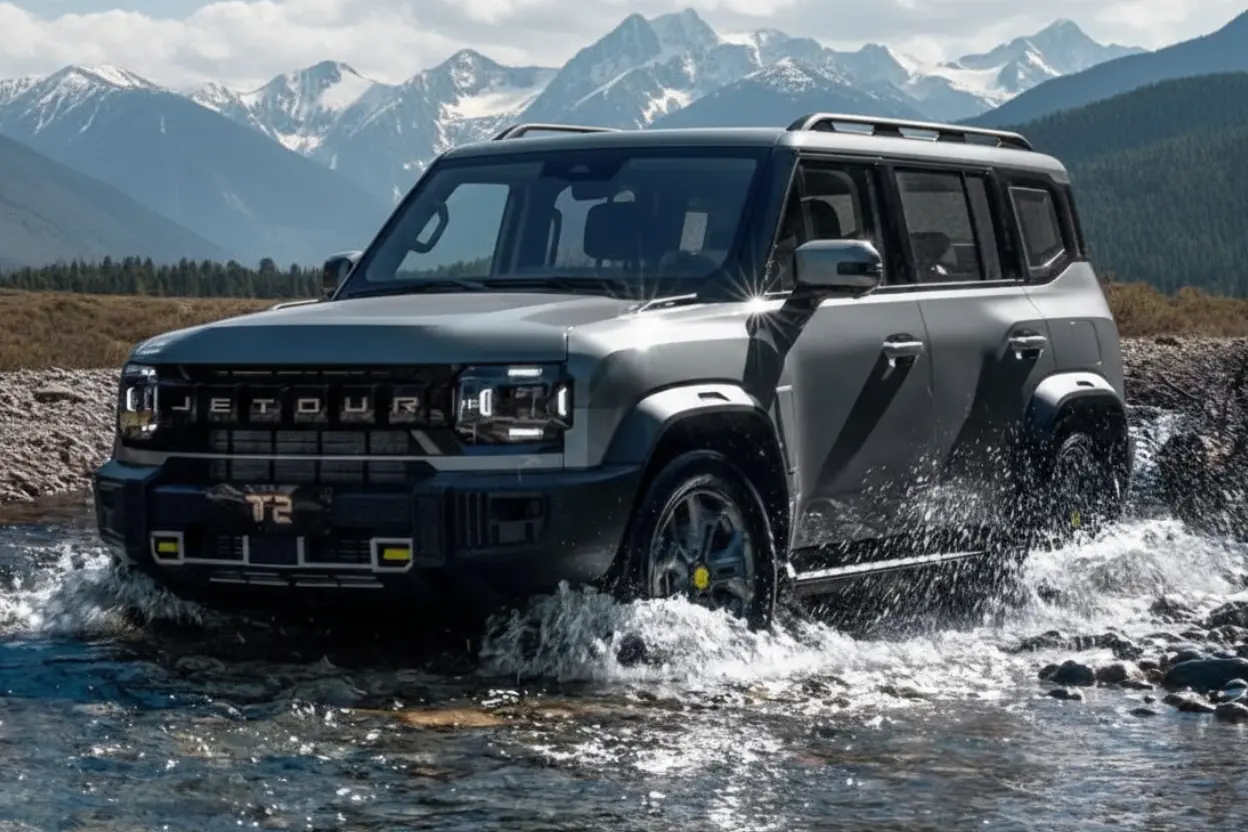
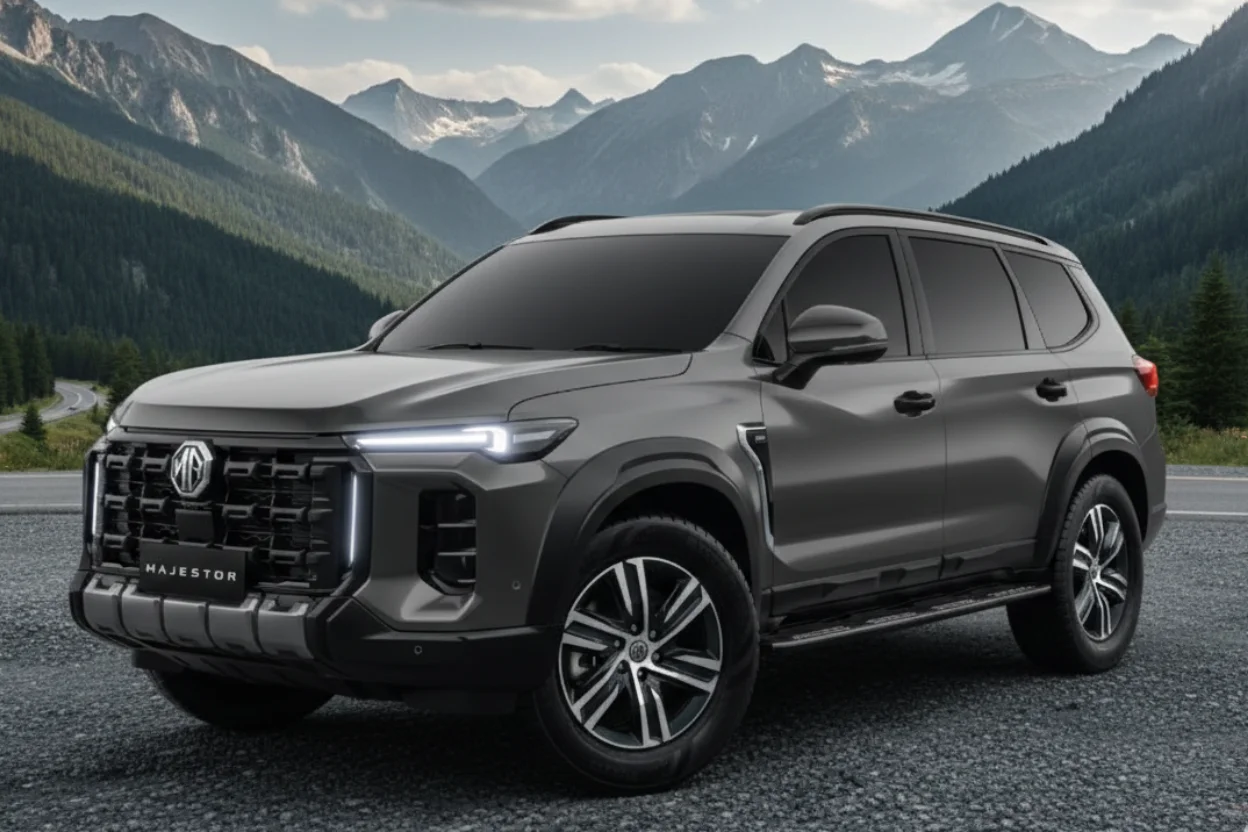
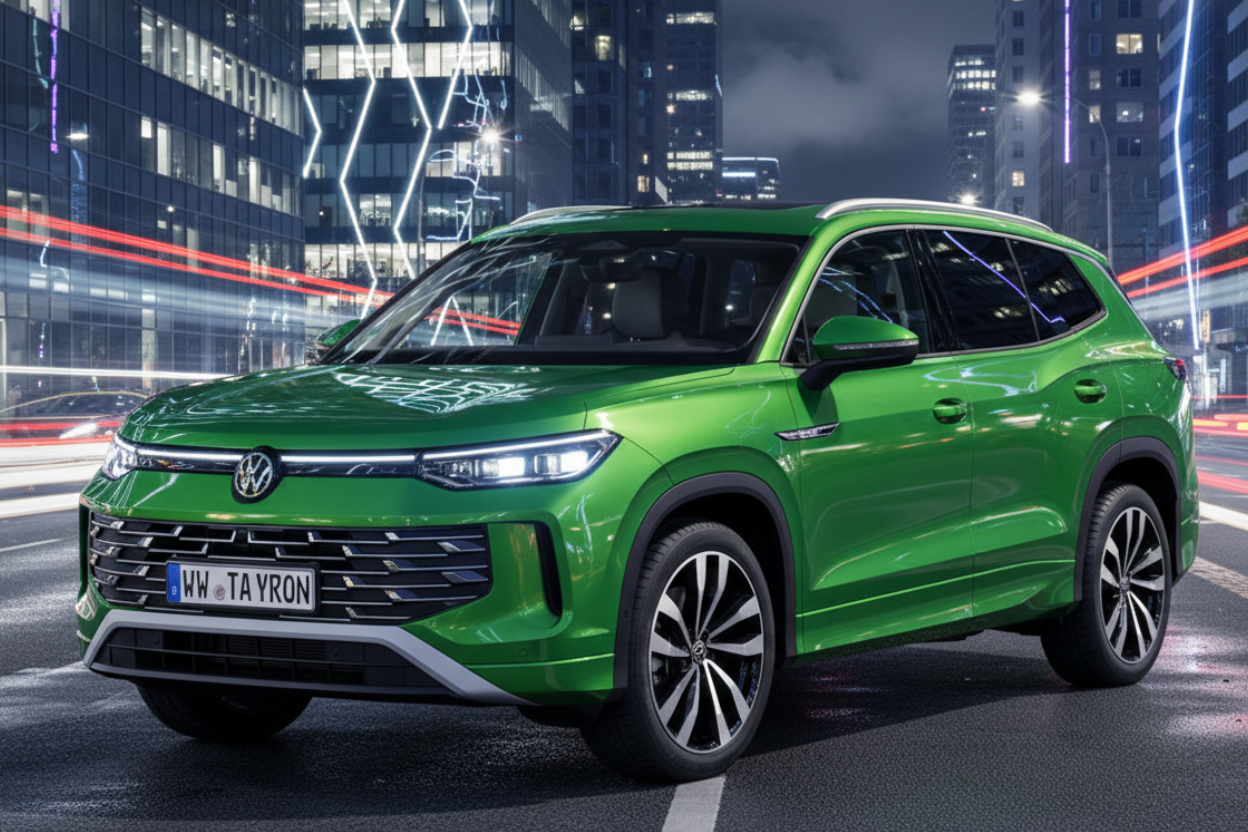
According to Banerjee, it is simply too early to call this a structural reversal. “Overall consumer trend still is towards buying SUVs,” he noted, even as the government’s fiscal maneuver aimed to lower the barrier for budget-conscious buyers. As per my knowledge, SUVs climbed to a staggering 55.8% of total passenger vehicle sales in 2025. This means for every two cars rolling off the assembly line, one is almost certainly an SUV.
The “GST 2.0” momentum provided an initial impetus, but for a tyre manufacturer like CEAT, the focus remains on the replacement market and tapping into rural demand for farm and two-wheeler rubber. I would advise investors and enthusiasts to keep a close eye on the upcoming March-June quarter. This period is traditionally a high season for sales/service centers and dealerships, and it will serve as the true litmus test for whether small cars can reclaim their throne or if we are seeing a “dead cat bounce” in the hatchback segment.
🏛️ Nostalgia vs. Now: The Evolution of the Small Car
To understand the current “affordability crisis” that Banerjee alluded to, we must look at how the entry-level segment has changed. Ten years ago, the “small car” was a basic tool; today, it is a high-tech prototype of safety and emission compliance.
| Feature Area | The Classic Hatch (e.g., Alto 800, early 2010s) | The Modern Compact (e.g., Alto K10 / Tiago 2026) |
| Emission Tech | Basic catalytic converter, simpler Euro IV | Advanced BS7-ready, complex exhaust components |
| Safety | Minimal; often lacked airbags | ABS, dual airbags, reinforced chassis as standard |
| Fuel Delivery | Simple MPFI | High-precision electronic injection / CNG integration |
| Price Point | Rs 2.5 – 4.5 Lakh | Rs 4.5 – 8.5 Lakh |
As per my opinion, the dramatic rise in cost isn’t just due to inflation; it’s the result of heavy R&D spending to meet global safety standards. This is why, even with GST cuts, the small car feels more expensive than the “pocket-friendly” marque we remember from the past.
Comparing the Current Titans: The Entry-Level Battlefield
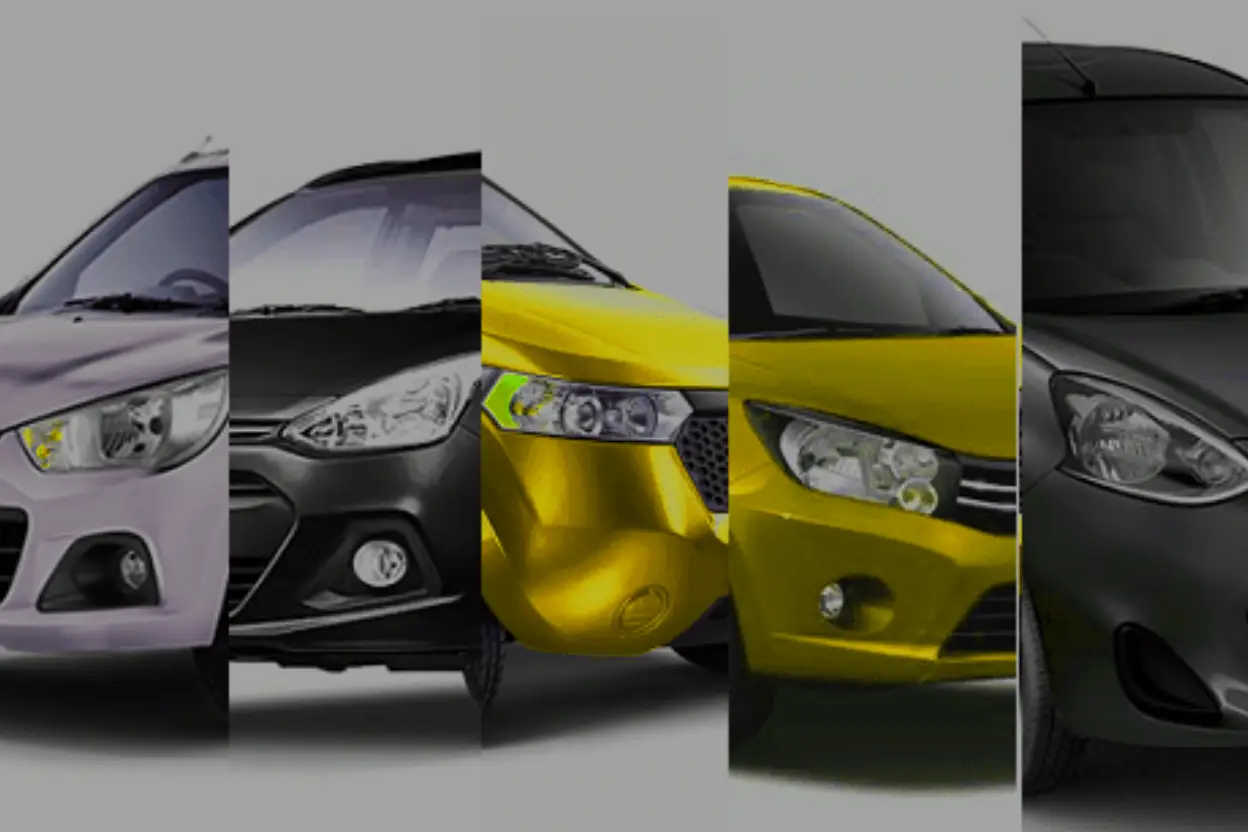
If you are currently looking to take advantage of the GST-driven price drops, the competition has never been more fierce. Here is how the current leaders stack up:
| Automobile Model | Best Known For | Key Components | Market Sentiment |
| Maruti Wagon R | Practicality/Resale | K-Series Engine, vast service network | The “Safe Bet” for families |
| Tata Tiago | Safety/Build Quality | Strong chassis, 4-star safety rating | The choice for the safety-conscious |
| Hyundai Grand i10 Nios | Interior Refinement | Slick transmission, premium body shop finish | The “Luxury” small car |
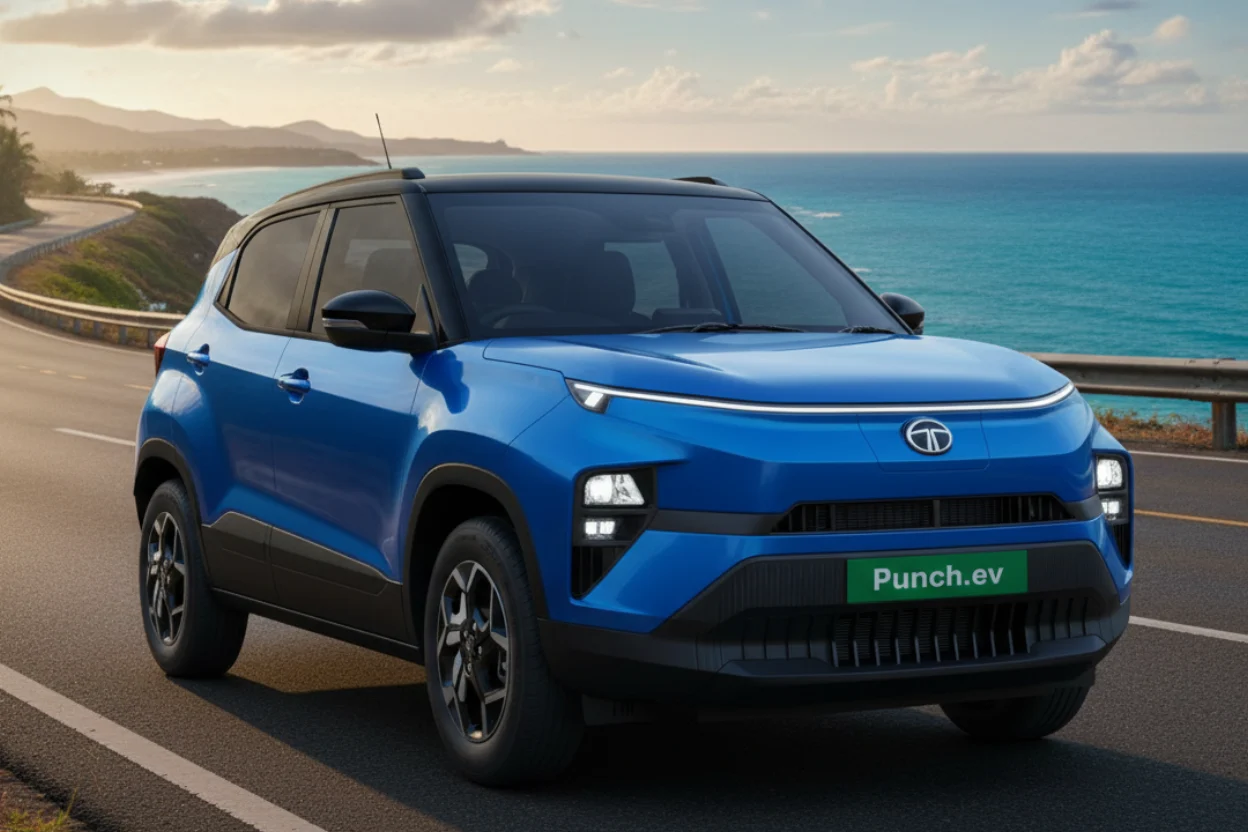
| Tata Punch | SUV Styling (Micro) | High ground clearance, rugged suspension | The trend-breaker; small car size, SUV soul |
🛠️ The Global Outlook and Rural Reach
Banerjee isn’t just looking at the dealerships in Mumbai or Delhi. He’s focused on the “summer season” and the rural supply chain. For CEAT, the commercial vehicle segment is thriving, and international markets like Europe and Southeast Asia are showing healthy traction.
However, I am somewhat concerned about the “touch and go” nature of the US market. The global supply chain remains fragile, and any stabilization in Western markets will be critical for Indian automakers who are looking to export their “Made in India” prototypes to a global audience.
💡 Final Thought: Is the Small Car Dead?
I don’t believe the small car is dead, but it is undergoing a metamorphosis. As per my knowledge, the “structural change” Banerjee mentioned—where OEMs see a shift back to smaller wheels and smaller tyres—will only happen if the total cost of ownership (TCO) remains significantly lower than that of a sub-compact SUV.
Currently, the gap between a high-end hatchback and a base-model micro-SUV is narrowing. If I were at a dealership today, I would advise looking at the long-term leasing or financing options. The GST cut is a welcome relief, but the true sustainability of this demand relies on the automakers’ ability to keep manufacturing costs down without compromising the safety and quality control (SPC) that modern Indian buyers now demand.
The next quarter will reveal the truth: Are we witnessing a permanent return to the hatchback, or is the SUV’s dominance an unshakeable reality of the 2020s?
Would you like me to analyze the specific stock performance of Maruti Suzuki vs. Tata Motors since the GST 2.0 announcement?