It is fascinating to observe how Bajaj Auto continues to massage the life cycle of its undisputed leader in the entry-level sporty segment. As per my knowledge, the Pulsar brand has always thrived on a specific “wolf-eyed” identity, but the recent integration of an LED headlight and revised graphics across the Carbon variants signals a shift toward a more aggressive, modern aesthetic. However, as an enthusiast who has spent years tracking the evolution of the chassis and powertrain configurations coming out of Chakan, I find myself feeling a bit concerned about the lack of mechanical intervention in this latest update.
The Lighting Revolution: Better Late Than Never?
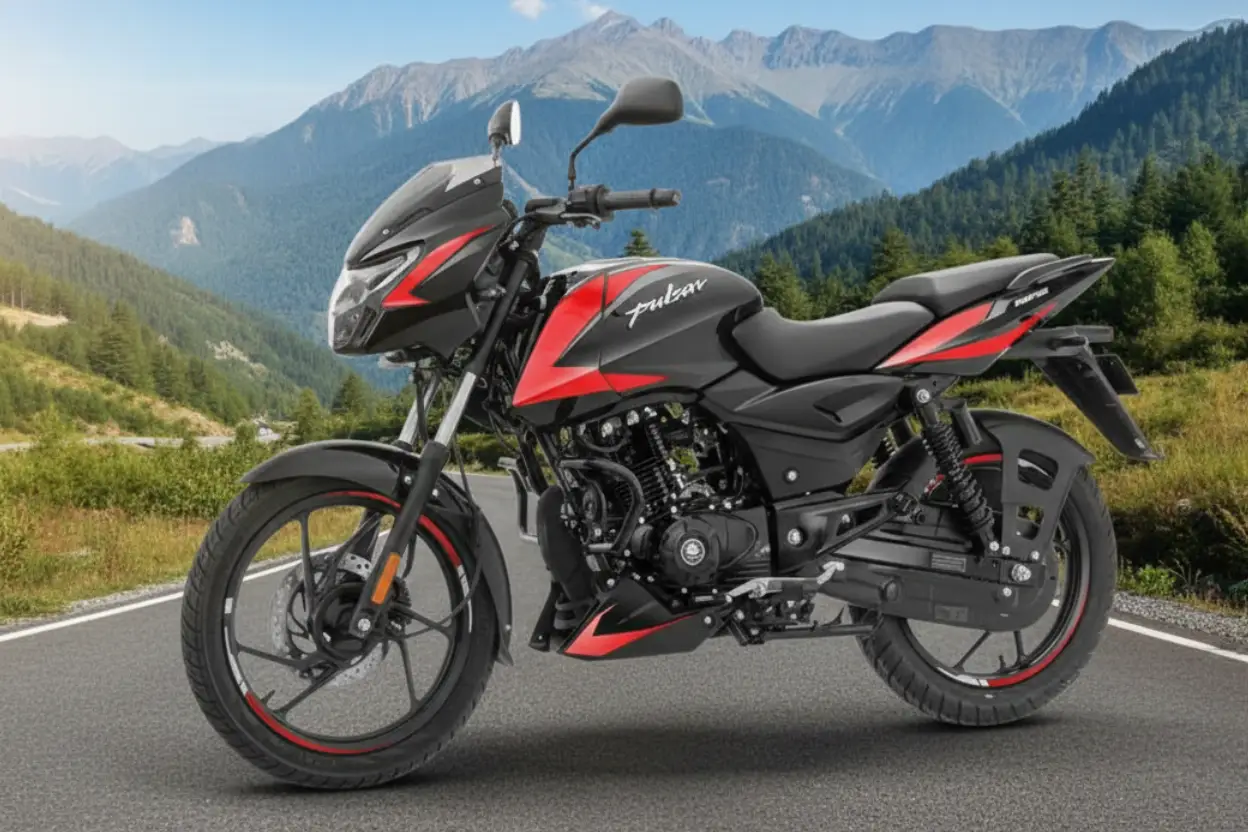
The most glaring change—pun intended—is the migration of the LED headlamp setup from its larger sibling, the Pulsar 150, down to this 125cc make. In my personal experience, the previous halogen units were adequate for city commutes, but they felt archaic compared to the crisp, white beams offered by competitors. The addition of LED turn indicators is a nice touch, elevating the quality control perception of the bike.
From a marketing perspective, this is a brilliant move. Bajaj knows that the 125cc buyer isn’t necessarily looking for track-ready performance; they want a bike that looks like a 150cc or 200cc model while maintaining the fuel economy of a commuter. By refreshing the body shop output with new graphics on the fuel tank and engine cowl, they’ve managed to keep the silhouette fresh without the massive R&D costs associated with a new engine architecture.
Echoes of the Past: Pulsar 125 (2024) vs. The 2026 Refresh
To truly understand where we are, we have to look at where we were. Below is a breakdown of how the current manufacturing output compares to the older version that dominated the dealership floors over the last couple of years.
| Feature | Outgoing Pulsar 125 (2024-25) | New Pulsar 125 (2026 Refresh) | My Analytical Take |
| Headlight | Conventional Halogen | Full LED Unit | A massive jump in visibility and premium feel. |
| Indicators | Bulb Type | LED | Reduces battery load and looks sharper. |
| Graphics | Traditional “Pulsar” Decals | Multi-tone Carbon Graphics | More “assertive attempt” at looking sporty. |
| Connectivity | Basic Digital Console | Digital with Bluetooth | Essential for the modern Gen-Z rider. |
| Pricing | ~Rs. 92,310 (Carbon) | Rs. 89,910 (Carbon Single) | Surprising price cut of Rs. 2,400. |
As per my opinion, the price reduction is the real story here. In an era where financing and leasing costs are rising, seeing an automaker actually drop the price while adding features is a rare supply chain miracle. It suggests that Bajaj has optimized its assembly line efficiency or is aggressively trying to undercut the competition to maintain its market share.
The Competition: A Segment Under Siege
The 125cc premium-commuter segment is currently a battlefield. While the Pulsar 125 relies on its legacy and “big bike” feel, others are pushing the boundaries of acceleration and tech. Here is how the Pulsar 125 stacks up against its fiercest rivals in the sales charts.
| Specifications | Bajaj Pulsar 125 | TVS Raider 125 | Hero Xtreme 125R |
| Engine | 124.4cc, Air-cooled | 124.8cc, Oil-cooled | 124.7cc, Air-cooled |
| Power (HP) | 11.8 HP | 11.2 HP | 11.4 HP |
| Transmission | 5-speed | 5-speed | 5-speed |
| Rear Suspension | Twin Shock Absorbers | Monoshock | Monoshock |
| Braking (Front) | Disc | Disc | Disc |
| Unique Trait | “Big Bike” Chassis | High-Tech Features | Sharpest Handling |
Looking at this data, I would advise potential buyers to weigh their priorities carefully. The Pulsar still lacks a monoshock suspension, which both the Raider and Xtreme offer. In my view, the twin-shock setup feels a bit dated when you’re leaning into a corner, though it remains incredibly robust for carrying pillions or navigating broken roads near the local gas station.
Under the Skin: The Mechanical Stagnation
Despite the flashy new wheels and LEDs, the transmission and engine remain untouched. We are still looking at the same 124.4cc mill. While it’s a reliable workhorse, it still uses a carburetor-based feel (integrated into a modern fuel-injection system) that lacks the frantic nature of the TVS Raider.
I’m slightly concerned that Bajaj is leaning too heavily on cosmetic tune-ups. The catalytic converter and exhaust note remain signature Pulsar—grunty and bassy—but I was hoping for a slight bump in torque to help with mid-range acceleration. If you’re frequenting the repair shop for your older Pulsar, this new model won’t feel like a different animal mechanically; it’s more of a “refined version” of the same DNA.
Final Thoughts and Verdict
The updated Pulsar 125 is a masterclass in marketing and brand preservation. By lowering the price and upgrading the lighting, Bajaj has made it very difficult for a value-conscious buyer to look elsewhere. However, if you were expecting a revolutionary prototype or a complete overhaul of the axle or braking systems, you might be disappointed.
As per my knowledge, this is a “holdover” update designed to keep the assembly line moving while Bajaj works on their next-generation platforms. It’s a safe, reliable, and now much better-looking choice for the daily grind.