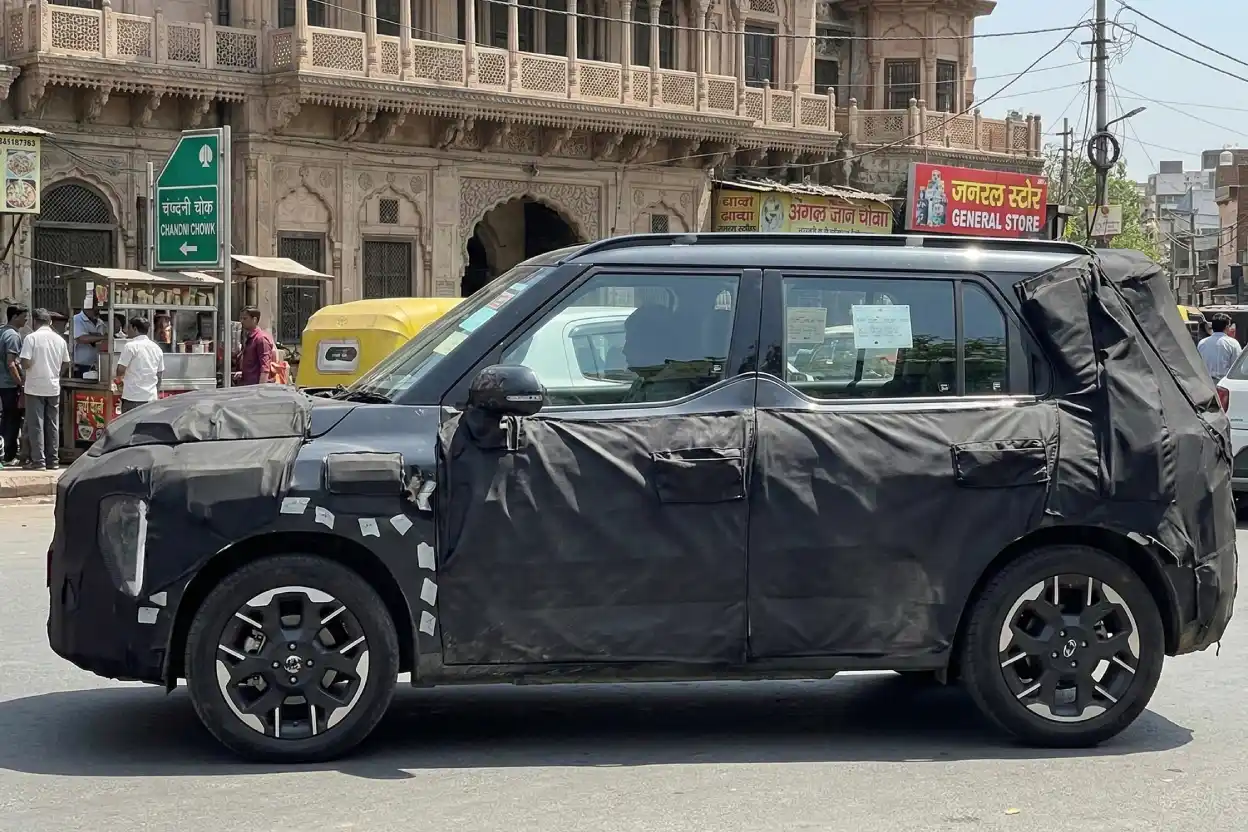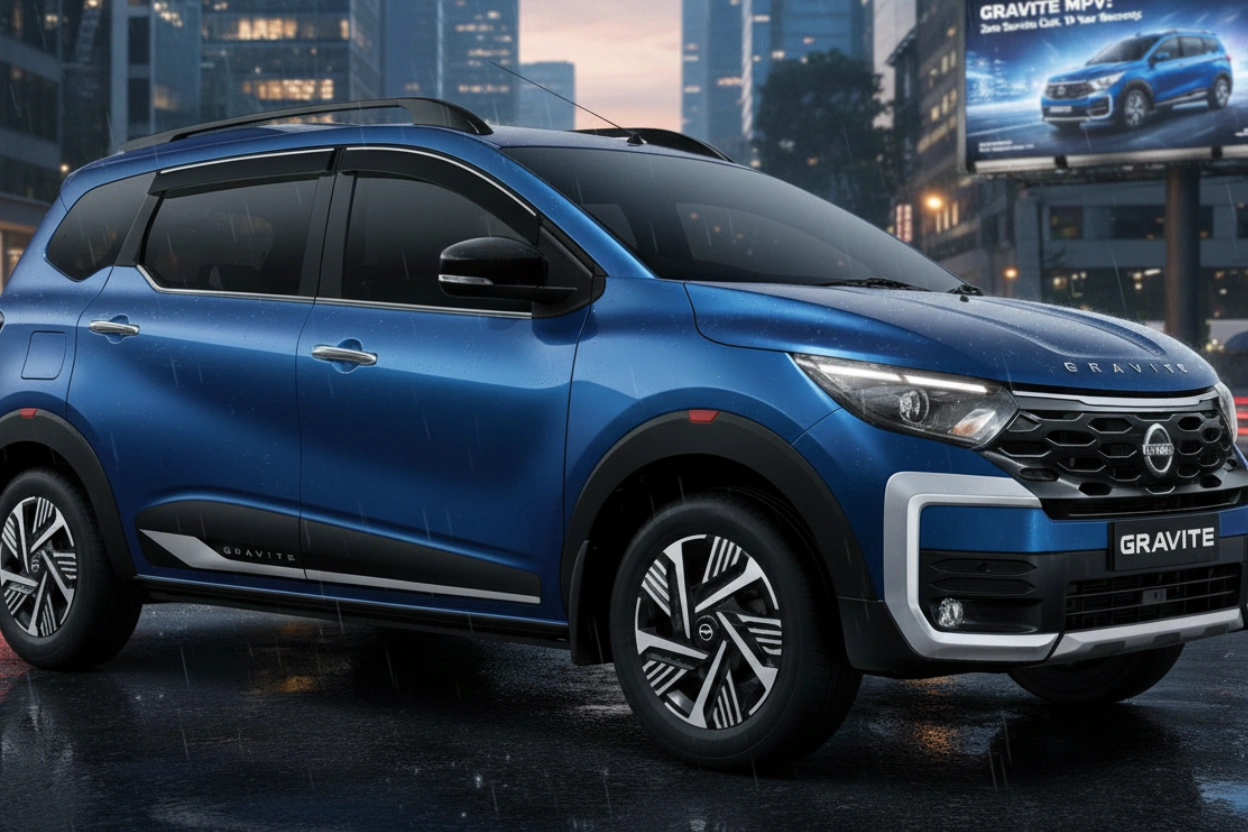
The Indian automotive landscape is littered with ambitious prototypes that failed to survive the assembly line of consumer expectations. However, Nissan’s latest assertive attempt—the Gravite MPV—feels less like a shot in the dark and more like a calculated tactical maneuver. Built on the CMF-A+ platform (the same chassis architecture as the Renault Triber), this vehicle is the opening move in Nissan’s R&D-heavy “Renewed Product Push.”
But here is the real kicker: Nissan is dangling a “Zero Service Cost” carrot for the first 5,000 bookings and an optional 10-year extended warranty. As an analyst who has tracked the supply chain of Japanese automakers for years, I find this move both brilliant and a bit desperate.
My Personal Experience with the Budget Segment
In my personal experience, the “budget MPV” tag often comes with hidden nightmares—thin sheet metal, lackluster suspension, and high maintenance once the odometer crosses the 50,000 km mark. As per my knowledge, Nissan is trying to kill that stigma before it even takes root in the dealership showrooms. By offering a 10-year or 2-lakh kilometer warranty, they aren’t just selling a car; they are selling peace of mind to a demographic that treats a vehicle purchase like a multi-generational investment.
Technical Deep Dive: Components and Capability
Under the hood, the Gravite isn’t exactly a powerhouse. It utilizes a 1.0-litre three-cylinder naturally-aspirated petrol engine.
-
Output: 72 PS and 96 Nm of torque.
-
Transmission: A choice between a five-speed manual or a five-speed AMT (Automated Manual Transmission).
-
The Reality Check: As per my opinion, 72 PS for a seven-seater is “adequate” at best. If you are climbing a steep incline with a full house and the air conditioning on blast, the engine might feel like it’s working overtime.
However, the quality control (SPC) seems tighter here than on previous budget models. The bodywork is sculpted with LED illumination and a gloss-black grille that gives it a more premium “marque” feel than its price tag suggests.
Modern Tech vs. Old School Utility
The interior is where the Gravite tries to jump segments. It features a centrally mounted touchscreen with wireless smartphone integration and a fully digital instrument panel. Unlike the older Datsun GO+ (a vehicle Nissan fans would prefer to forget), the Gravite includes safety as a core pillar rather than an afterthought. We are talking six airbags, stability control, and hill-start assistance as standard.
Comparison: The Evolution of the Entry-Level MPV
To understand where the Gravite stands, we have to look back at the Datsun GO+, the predecessor in spirit.
| Feature | Old Guard: Datsun GO+ | Current Model: Nissan Gravite |
| Safety | Minimal (2 Airbags max) | Robust (6 Airbags Standard) |
| Transmission | Basic Manual/CVT | 5-Speed Manual / AMT |
| Platform | V-Platform | CMF-A+ (Superior Rigidity) |
| Utility | Cramped 3rd Row | Removable 3rd Row (625L Cargo) |
| Tech | Basic Head Unit | Wireless Charging & Digital Cluster |
I would advise potential buyers to look closely at the suspension. The GO+ felt “bouncy” on Indian highways; the Gravite uses an updated chassis and braking support system that, on paper, should provide a much more planted feel during high-speed acceleration.
Gemini said
The Nissan Gravite Gamble: Can Zero Service Costs Save the Budget MPV Marque?
The Indian automotive landscape is littered with ambitious prototypes that failed to survive the assembly line of consumer expectations. However, Nissan’s latest assertive attempt—the Gravite MPV—feels less like a shot in the dark and more like a calculated tactical maneuver. Built on the CMF-A+ platform (the same chassis architecture as the Renault Triber), this vehicle is the opening move in Nissan’s R&D-heavy “Renewed Product Push.”
But here is the real kicker: Nissan is dangling a “Zero Service Cost” carrot for the first 5,000 bookings and an optional 10-year extended warranty. As an analyst who has tracked the supply chain of Japanese automakers for years, I find this move both brilliant and a bit desperate.
My Personal Experience with the Budget Segment
In my personal experience, the “budget MPV” tag often comes with hidden nightmares—thin sheet metal, lackluster suspension, and high maintenance once the odometer crosses the 50,000 km mark. As per my knowledge, Nissan is trying to kill that stigma before it even takes root in the dealership showrooms. By offering a 10-year or 2-lakh kilometer warranty, they aren’t just selling a car; they are selling peace of mind to a demographic that treats a vehicle purchase like a multi-generational investment.
Technical Deep Dive: Components and Capability
Under the hood, the Gravite isn’t exactly a powerhouse. It utilizes a 1.0-litre three-cylinder naturally-aspirated petrol engine.
-
Output: 72 PS and 96 Nm of torque.
-
Transmission: A choice between a five-speed manual or a five-speed AMT (Automated Manual Transmission).
-
The Reality Check: As per my opinion, 72 PS for a seven-seater is “adequate” at best. If you are climbing a steep incline with a full house and the air conditioning on blast, the engine might feel like it’s working overtime.
However, the quality control (SPC) seems tighter here than on previous budget models. The bodywork is sculpted with LED illumination and a gloss-black grille that gives it a more premium “marque” feel than its price tag suggests.
Modern Tech vs. Old School Utility
The interior is where the Gravite tries to jump segments. It features a centrally mounted touchscreen with wireless smartphone integration and a fully digital instrument panel. Unlike the older Datsun GO+ (a vehicle Nissan fans would prefer to forget), the Gravite includes safety as a core pillar rather than an afterthought. We are talking six airbags, stability control, and hill-start assistance as standard.
Comparison: The Evolution of the Entry-Level MPV
To understand where the Gravite stands, we have to look back at the Datsun GO+, the predecessor in spirit.
I would advise potential buyers to look closely at the suspension. The GO+ felt “bouncy” on Indian highways; the Gravite uses an updated chassis and braking support system that, on paper, should provide a much more planted feel during high-speed acceleration.
Market Positioning: The Rivalry Chart
The Gravite isn’t alone in the car wash of the Indian market. It faces stiff competition from its cousin, the Renault Triber, and the undisputed leader of the segment, the Maruti Suzuki Ertiga.
| Specification | Nissan Gravite | Renault Triber | Maruti Suzuki Ertiga |
| Engine | 1.0L NA Petrol | 1.0L NA Petrol | 1.5L K15C Petrol |
| Power | 72 PS | 71 PS | 103 PS |
| Fuel Efficiency | ~19.6 kmpl | 18.2 – 20 kmpl | 20.51 kmpl |
| Key USP | 10-Year Warranty | Modular Seating | Resale Value/Network |
| Maintenance | 5-Year Free (Limited) | Standard Paid | Low-Cost Parts |
The Critical Perspective: Is it Truly “Zero Cost”?
While the marketing team is shouting about “Zero Service Costs,” as per my knowledge, this is a promotional plan specifically for the first 5,000 confirmed bookings. It covers scheduled maintenance for five years.
If you are the 5,001st customer, you’ll be looking at prepaid maintenance packages. I would advise checking the fine print on what “scheduled maintenance” actually includes. Does it cover the catalytic converter or brake pads? Usually, consumables are excluded, so your “zero cost” might still involve a trip to the billing counter for parts.
The Road Ahead: 2026 and Beyond
Nissan isn’t stopping here. Their assembly line in Chennai is already gearing up for:
-
A CNG Version: Launching soon to combat rising fuel prices.
-
Midsize SUV (2026): A direct strike at the Creta/Seltos territory.
-
Three-Row SUV (2027): A larger, more powerful sibling to the Gravite.
Final Verdict
The Nissan Gravite is a predictive play. They know the Indian consumer is shifting away from “cheap” and toward “value.” By offering a 10-year extended warranty and focusing on a high-tech cabin, they are trying to bridge the gap between a budget hatchback and a full-blown SUV.
As per my opinion, if you are one of the first 5,000 buyers, this is a steal. However, for those looking for raw power, the 1.0L engine might be the Achilles’ heel. It’s a vehicle built for the city crawl and the occasional family outing, not for winning drag races at the local gas station.