Ola’s #ChampionMahotsav and the Battle for EV Dominance
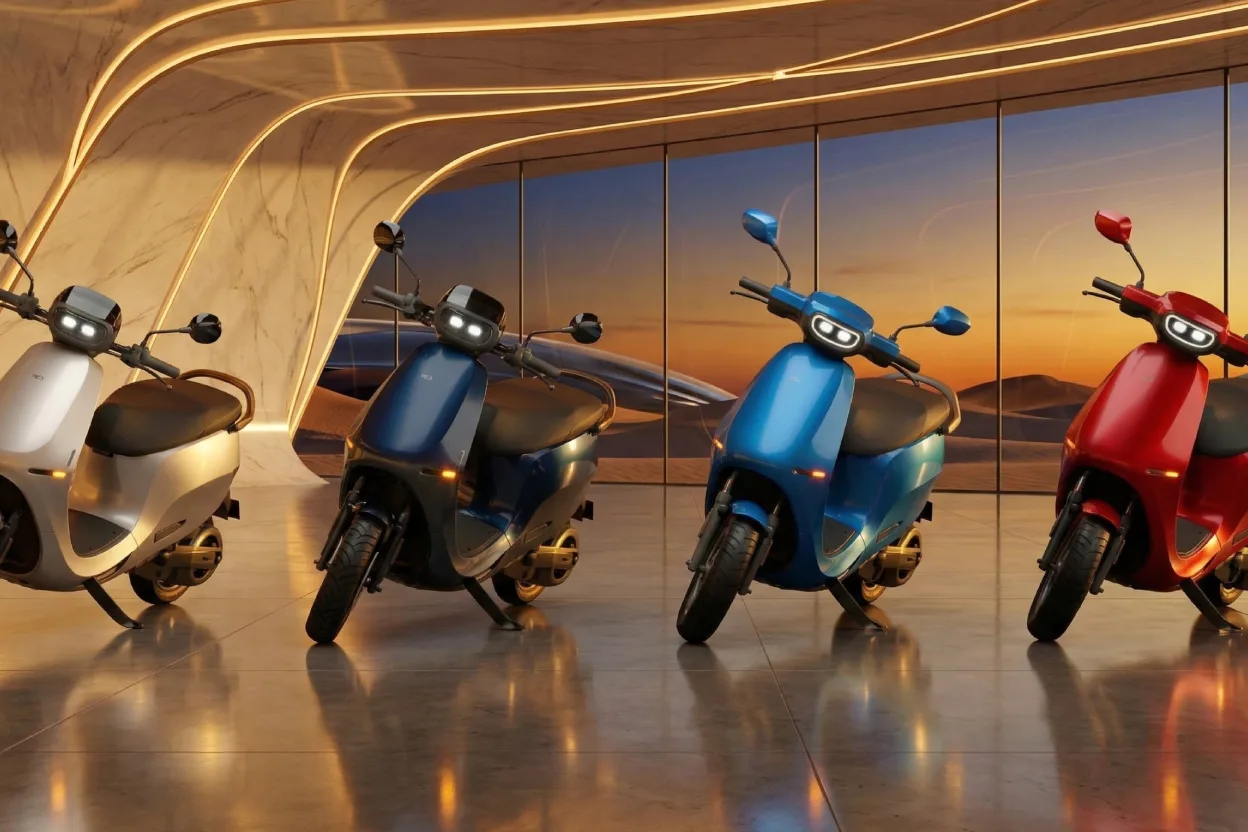
The air in India is currently thick with a mix of celebration and high-stakes corporate maneuvering. While the nation remains draped in the euphoria of recent sporting triumphs, Ola Electric has pivoted with an assertive attempt to capitalize on this collective sentiment. The brand has rolled out its latest marketing assault—the #ChampionMahotsav—promising prospective buyers benefits to the tune of ₹10,000 within a narrow three-day window.
Having tracked this industry since the first chassis rolled off the assembly line at the Ola Futurefactory, I find the timing of this campaign particularly intriguing. This isn’t just about cricket; it is a calculated tactical maneuver to arrest a sliding market share in a segment becoming increasingly crowded by legacy giants.
The Evolution of the Chassis: A Personal Perspective
From a hands-on perspective, the difference between a prototype and a mass-market machine is always found in the “snag list.” Having ridden the initial S1 models and compared them to the current Gen 3 architecture, the refinement in the supply chain and quality control is palpable.
The early units occasionally suffered from software glitches and thermal throttling during aggressive acceleration. However, the current lineup—especially those utilizing the new 4680 Bharat Cell—demonstrates a significant leap in manufacturing maturity. The transition from older tubular frames to integrated, high-pressure die-cast designs has vastly improved suspension dynamics and weight distribution.
Legacy vs. Modernity: The Generational Shift
In the world of EV startups, “old” is a relative term. We are witnessing a rapid evolution from the Gen 1 platform to a genuine state-of-the-art fleet.
Comparison: Gen 1/2 vs. Gen 3 (Current)
| Feature | Gen 1 / Gen 2 (Legacy) | Gen 3 (#ChampionMahotsav) |
| Battery Tech | 2170 cylindrical cells; limited thermal efficiency. | 4680 Bharat Cells; significantly higher energy density. |
| Chassis | Heavier, traditional tubular frame. | Optimized lighter frame; improved SPC (Statistical Process Control). |
| Performance | Basic acceleration; software-locked features. | Enhanced Hyper Mode; patented “Brake-by-wire” tech. |
| Motor Type | Standard Mid-drive/Hub variants. | Integrated MCU with high-torque mid-drive motors. |
| Reliability | Prone to UI lag and “hallucinations.” | MoveOS 5 integration; stable, hardware-synced R&D output. |
The Market Landscape: A Concerned Outlook
Despite these technical leaps, the strategy raises questions. A three-day “Mahotsav” often feels like a bandage on a deeper wound. Recent Vahan data suggests the undisputed leader has seen its market share fluctuate significantly, dropping from nearly 36% to approximately 16% in 2025. The “End ICE Age” rhetoric is meeting stiff resistance from legacy titans like TVS Motor Company and Bajaj Auto.
Furthermore, Ola’s portfolio is becoming increasingly dense. From the premium S1 Pro+ (5.2 kWh) at ₹1,85,338 to the entry-level S1 X (2 kWh) at ₹77,999, the variety risks confusing the average consumer.
Competitive Analysis: How Does Ola Stack Up?
If you are currently evaluating financing or leasing options, the gloss of marketing must be weighed against component serviceability.
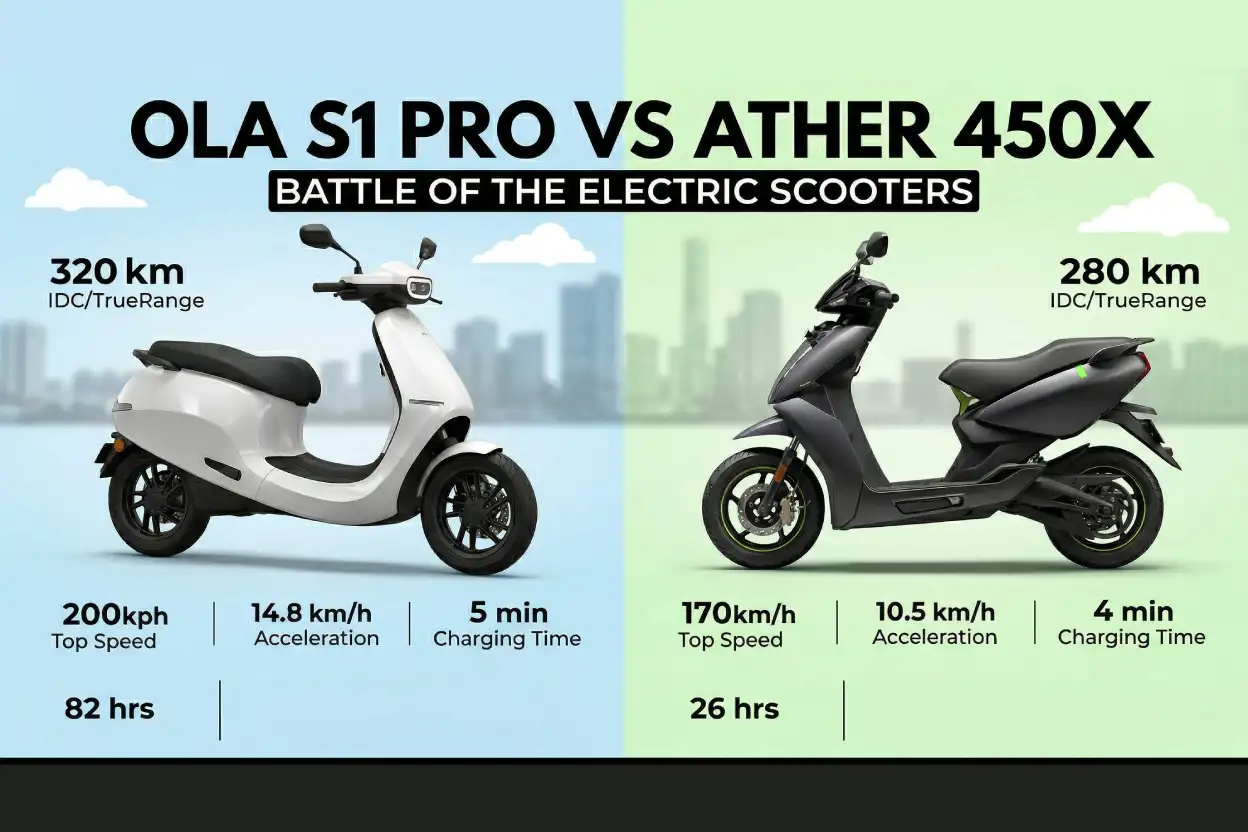
| Feature | Ola S1 Pro Gen 3 | TVS iQube ST | Bajaj Chetak (Premium) |
| Peak Power | 13 kW | 4.4 kW | 4.2 kW |
| Top Speed | 130 km/h | 82 km/h | 73 km/h |
| IDC Range | 320 km | 150 km | 126 km |
| Braking | Dual Channel ABS | Disc (F) / Drum (R) | Disc (F) / Drum (R) |
| Price (Approx) | ₹1,54,999 | ₹1,55,000 | ₹1,47,000 |
The Verdict: A Calculated Gamble
The #ChampionMahotsav is a blatant appeal to the heartstrings of a nation, but analytically, it is a push to clear inventory and bolster quarterly numbers. While the R&D team has made massive strides in transmission and Battery Management Systems (BMS), the sales and service infrastructure remains the Achilles’ heel.
Final Advice: The ₹10,000 benefit is tempting, but verify your local service center’s reputation before signing those papers. A high-tech chassis is only as good as the technician who knows how to troubleshoot its high-voltage powertrain.