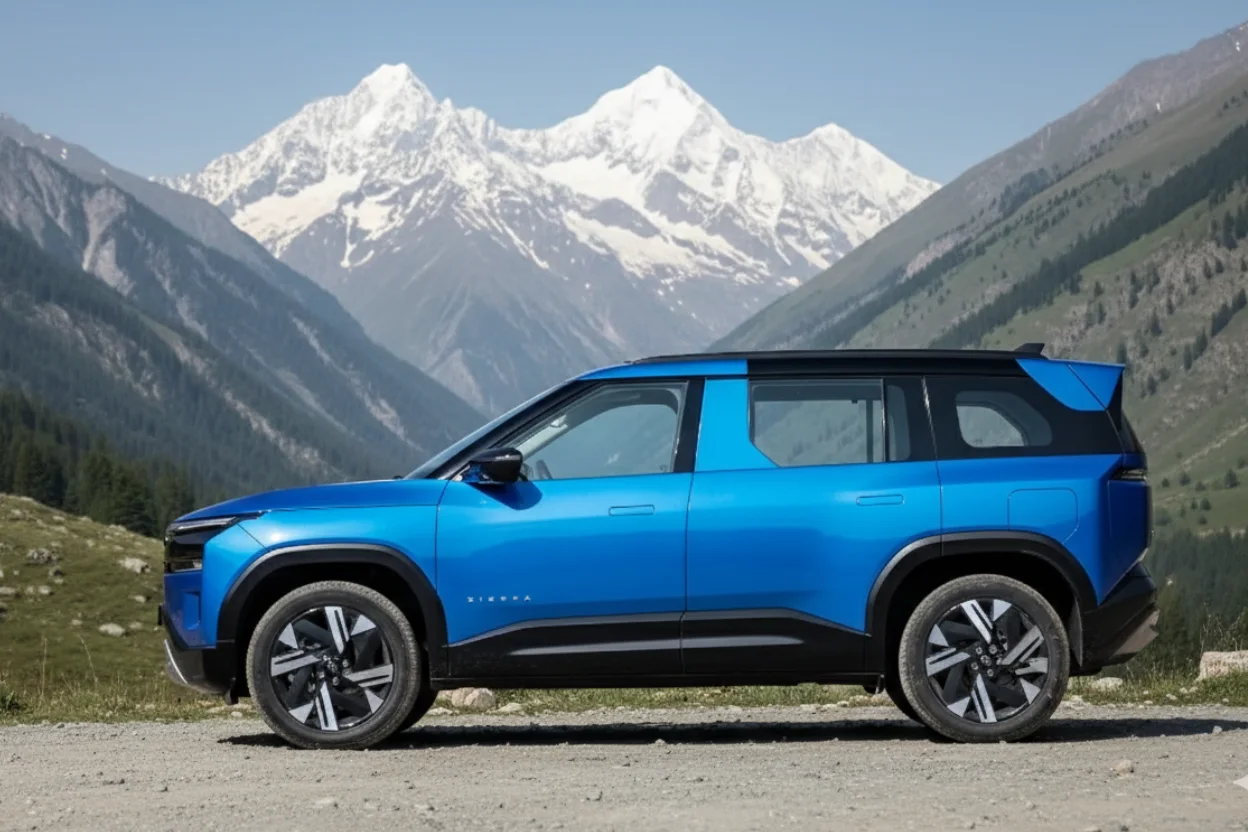
It is official, and honestly, it’s about time. Tata Motors has finally dropped the curtain on the timeline for one of the most anticipated revivals in Indian automotive history. The Tata Sierra EV is slated to hit the assembly line and reach dealerships between April and June 2026.
As someone who has followed the Indian car market’s evolution from the rugged, smoky diesels of the 90s to the silent, screen-heavy cockpits of today, this news hits differently. But beneath the nostalgia, there is a lingering concern. By mid-2026, the EV space won’t just be a playground for Tata; it will be a battlefield.
A Nod to the Pioneer: Then vs. Now
To understand why the “Sierra” marque carries such weight, we have to look back at the 1991 Tata Sierra. In my opinion, that car was decades ahead of its time. It was the first real “lifestyle” SUV in India—featuring those iconic fixed rear alpine windows and a three-door layout that screamed “adventure” long before “Thar” became a household name.
However, the leap from the old chassis to the new Acti.ev+ platform is astronomical.
| Feature | Original Tata Sierra (1991-2003) | Tata Sierra EV (2026 Forecast) |
| Powertrain | 2.0L Diesel (Naturally Aspirated/Turbo) | Dual-Motor Electric (AWD available) |
| Chassis | Body-on-frame (Telcoline-based) | Acti.ev+ Skateboard Architecture |
| Drivetrain | Rear-Wheel Drive (4WD was rare) | RWD / All-Wheel Drive |
| Tech | Manual windows, basic AC | Three-screen layout, Level 2 ADAS |
| Vibe | Rugged, smoky, analog | Minimalist, digital, silent luxury |
Technical Analysis: The Hardware Under the Shell
As per my knowledge of Tata’s current R&D direction, the Sierra EV isn’t just a “larger Curvv.” It is positioning itself as a more sophisticated sibling to the upcoming Harrier EV. My personal experience with Tata’s recent EV launches suggests they are moving away from “converted ICE” platforms toward dedicated EV skeletons.
The use of the Acti.ev+ skateboard is a calculated tactical maneuver. It allows for a flat floor, maximizing cabin real estate—a crucial factor for a car that historically prioritized interior “roominess.”
Battery and Range Speculation
I would advise potential buyers to look closely at the battery configurations. Reports suggest a 55 kWh pack (borrowed from the Curvv EV) for the base trims and a beefier 65 kWh unit for the long-range versions.
-
Predicted Real-World Range: With the 65 kWh battery, I expect a range comfortably crossing the 500 km mark.
-
Charging: Expect high-speed DC fast charging, alongside V2L (Vehicle-to-Load), which means your car could technically power your campsite—a fitting tribute to the original Sierra’s outdoorsy spirit.
The Competitive Landscape: A Midsize SUV Showdown
The Sierra EV won’t be lonely in the showroom. By the time it clears quality control and exits the body shop, it will face stiff competition from both domestic and global automakers.
| Feature | Tata Sierra EV | Hyundai Creta EV | Mahindra XUV.e8 |
| Platform | Dedicated Acti.ev+ | Modified K2 Platform | INGLO Architecture |
| Est. Range | 500+ km | 400-450 km | 450-500 km |
| AWD Option | Yes (Dual Motor) | Likely No (FWD) | Yes |
| USP | Heritage & 3-Screen Interior | Brand Trust & Service Network | Performance & Size |
Inside the Cabin: A Digital Sanctuary?
From what we’ve gathered, Tata is going all-in on the “Digital Cockpit” trend. We are looking at a three-screen layout:
-
A digital driver’s instrument cluster.
-
A massive central infotainment hub.
-
A dedicated screen for the front passenger (a feature usually reserved for high-end marques like Porsche or Ferrari).
While this sounds impressive on a marketing brochure, I am slightly concerned about “touch-screen fatigue.” In my opinion, tactile buttons for critical functions like defrosting or basic volume are essential for safety during high-speed acceleration. However, the inclusion of Level 2 ADAS, a 360-camera system, and dual-zone climate control proves Tata wants to be the undisputed leader in the premium midsize segment.
My Critique: The 2026 Timeline Concern
Here is my honest take: Tata needs to be careful with the “Content at Scale” approach to their lineup. With the Punch EV, Curvv EV, Harrier EV, and now the Sierra EV, the supply chain and service centers (repair shops) will be under immense pressure.
As per my knowledge, many early adopters of Tata’s EVs have complained about minor software glitches. Launching a flagship like the Sierra in 2026 gives them time to iron out these “bugs” in the R&D phase, but it also risks losing the “first-mover” advantage to competitors who might launch sooner.
Final Verdict
The Sierra EV looks like an assertive attempt to blend 90s soul with 2026 technology. The boxy silhouette, flush door handles, and muscular wheel arches promise a road presence that few can match. If they can nail the suspension tuning—balancing the heavy battery weight with a supple ride—it could redefine the “Marque” for a new generation.
I would advise enthusiasts to keep a close watch on the prototype sightings over the next twelve months. The transition from the “concept” body shop to the “production” assembly line often sees some of the cooler features watered down. Let’s hope the “Alpine windows” vibe survives the final cut.